Aerify Lawn: How Lawn Aeration Builds a Healthy Lawn in Greater Syracuse, NY
If your Syracuse yard feels hard underfoot, puddles after every rainstorm, or looks thin despite regular mowing, the problem is likely hiding beneath the grass surface. Aerifying your lawn is one of the most effective - and most overlooked - steps you can take to build thicker, healthier turf in Central New York.
Key Takeaways
- Aerifying a lawn creates holes in the soil to improve air and nutrient access, breaking up compacted soil so air water and nutrients reach the root zone - critical in CNY's heavy clay soil.
- Core aeration (using hollow tines to pull soil plugs) is usually more effective than spike aeration for most Syracuse-area lawns, which sit on dense, silty clay subsoils.
- The best time to aerate cool season grasses in greater Syracuse is early fall (September through early October), with late spring as a secondary window.
- CGM Property Services offers professional core aeration, overseeding, fertilization, mowing, edging, trimming, spring and fall cleanups, and full lawn care programs for homes, businesses, HOAs, and apartment communities across CNY.
- This article walks you step-by-step through how to aerate your lawn yourself or decide when to hire a pro.
What Does It Mean to "Aerify" a Lawn?
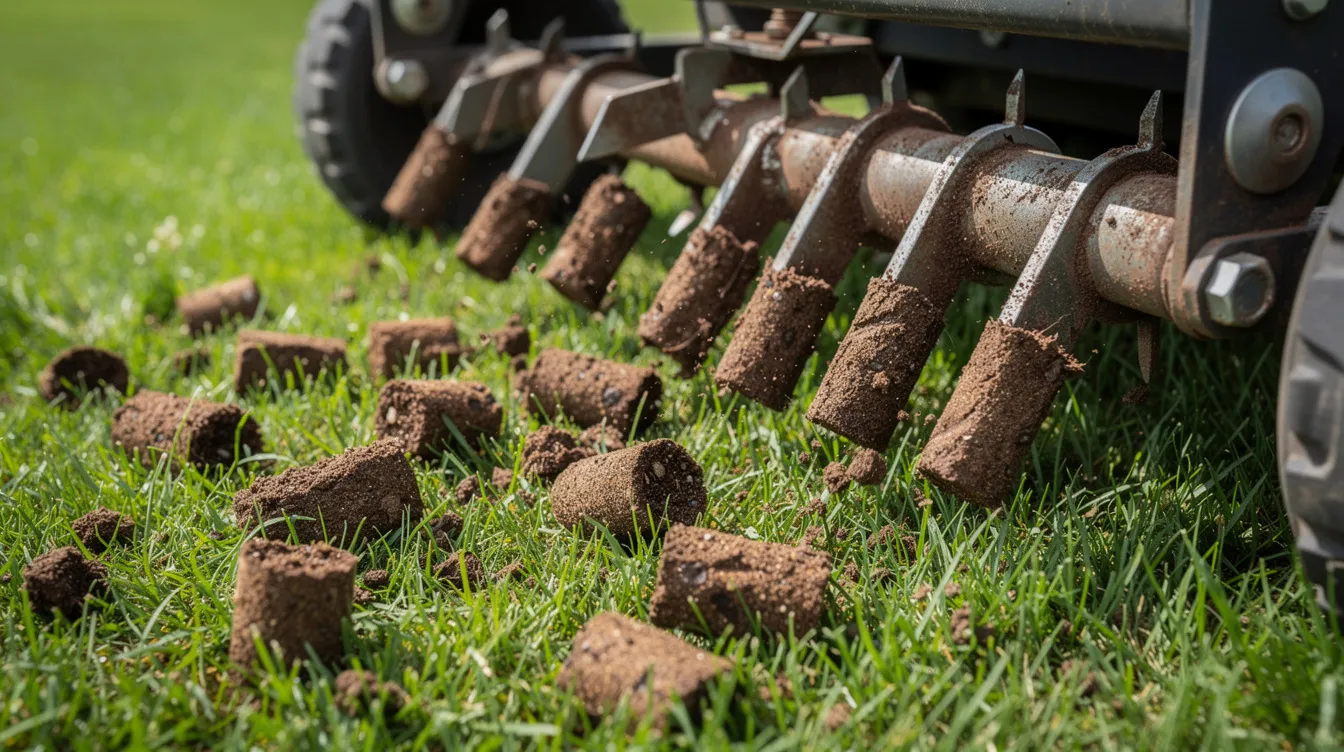
When lawn care professionals say "aerify lawn" or "lawn aeration," they mean creating small openings in the turf to relieve compacted soil and help grass roots breathe. In practice, you're perforating the soil surface with small holes - or better yet, removing small plugs - so more air, water, and nutrients can reach the root zone.
Picture a machine rolling across your yard, pulling cylindrical soil plugs about 2–3 inches long every few inches and depositing them on the grass surface. Those plug aerators do the real work. In the greater Syracuse area, where Onondaga County soils average roughly 17% clay and 47% silt, heavy clay soil and wet springs make aeration especially important. The terms "aerify lawn," "core aeration," and "plug aeration" are used interchangeably by lawn service professionals like CGM Property Services.
Why Your Syracuse Lawn Needs Aeration
Compacted soil and lawn thatch buildup are the two main reasons lawns in Central New York struggle, especially after years of mowing and foot traffic on wet ground.
- Compacted soil means soil particles are pressed tightly together by kids playing, pets, snowplows, parking on grass, and mower traffic. Compaction occurs from foot traffic and heavy equipment use, and a layer of compacted soil even just 1/4 to 1/2 inches thick affects lawn health significantly.
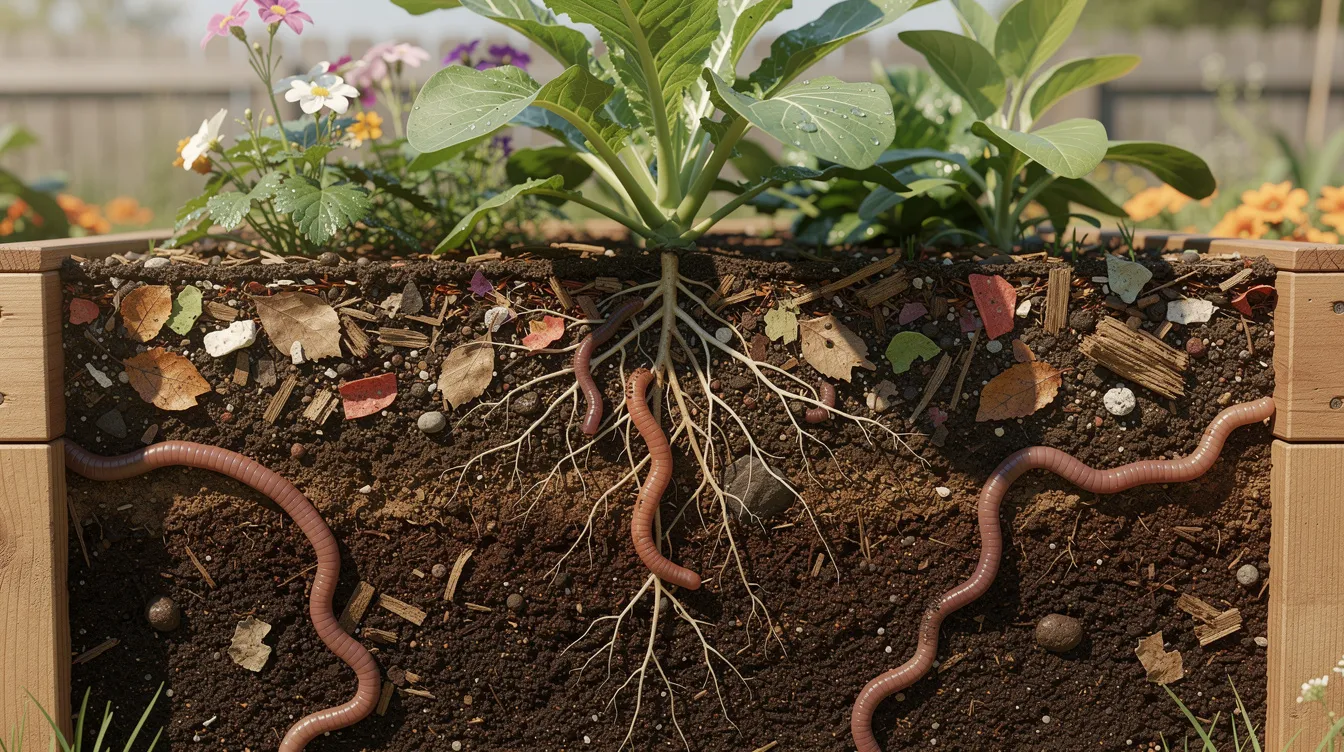
- Soil compaction reduces root growth and increases drought vulnerability. Compacted soil inhibits air, water, and nutrient flow, causing puddles on Syracuse slopes and low spots and forcing plant roots to stay shallow. Eventually, compacted soil can cause grass to thin and die out.
- A thick thatch layer - that spongy mat of dead organic material (stems, roots) sitting just above the soil beneath - blocks air and water. Aeration helps reduce thatch buildup over one half inch thick and manages the ongoing accumulation between grass and soil.
- Aeration relieves soil compaction commonly caused by traffic and heavy soils, and the benefits compound: deeper root growth, better drought resistance during July–August heat, improved uptake of water and fertilizers to the grass roots, and aeration enhances microbial activity by improving oxygen flow in the soil. The result is a greener, thicker turf that crowds out weeds by the following growing season.
Signs Your Lawn Is Compacted and Needs Aeration
Many homeowners don't realize their lawn is compacted until the damage is visible. Here are simple tests:
- The screwdriver test: On a typical May or September day, push a standard screwdriver into moist soil. It should go in easily. If it resists, your ground is compacted.
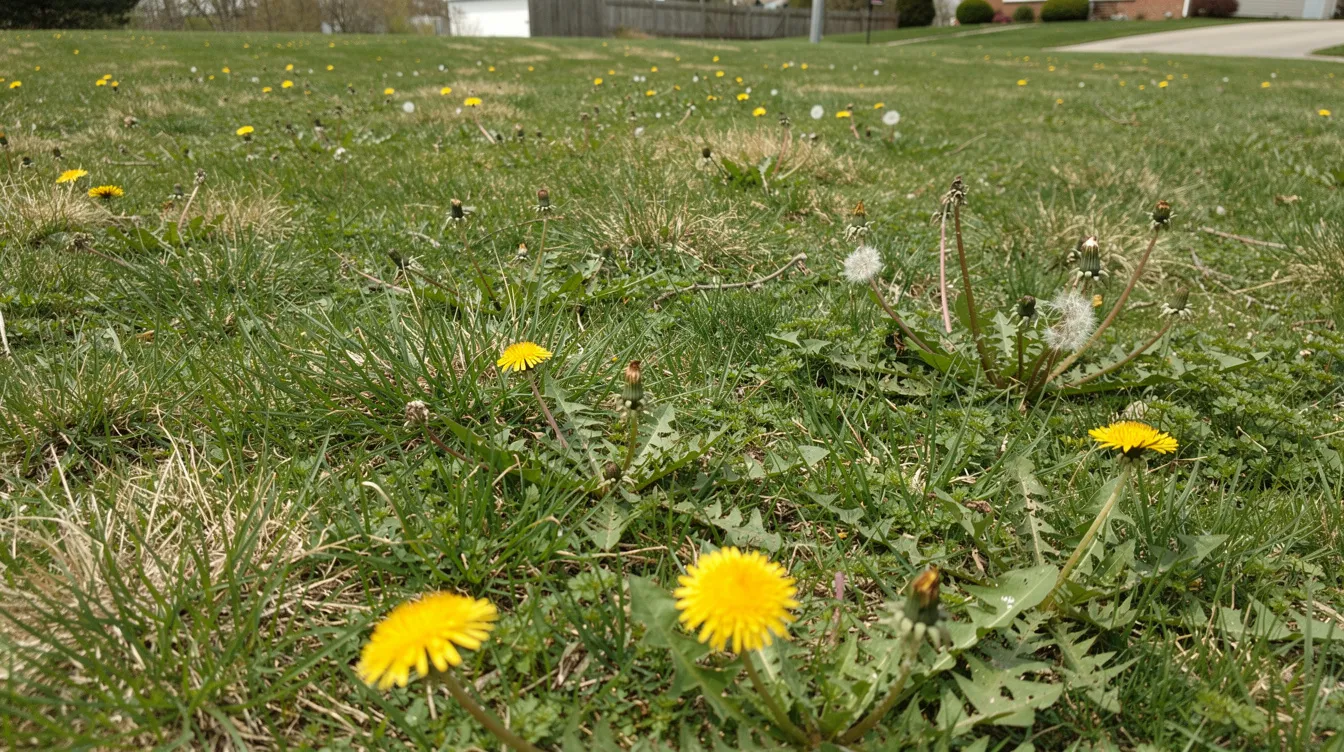
- Visual signs: Thin or bare patches, areas that stay muddy after rain, water running off instead of allowing water to soak in, and heavy weed presence (plantain, crabgrass, knotweed).
- New construction: Lawns built on disturbed fill - common in recent Syracuse subdivisions - often have severe compaction from heavy machinery and almost always need core aeration.
- High traffic areas on commercial properties, HOAs, and apartment communities (sidewalk edges, mailbox zones, dog-walk routes) show compaction first and may require more frequent treatment, especially when part of larger property management portfolios across Central New York.
Best Time to Aerate Your Lawn in Central New York
Timing matters because you want to aerate when grass is actively growing so the turf can quickly fill in the holes.
- For cool season grasses dominant around Syracuse (Kentucky bluegrass, perennial ryegrass, tall fescue), the ideal time to aerate is early fall - typically early September through early October, before hard frosts arrive around mid-October. Aerate cool season grasses in early spring or fall for best results.
- Late spring (late May to early June) is a secondary option if fall was missed or compaction is severe. Aerate warm season grasses in late spring or early summer - though warm season grasses are uncommon here, this timing note matters for southern lawns or anyone relocating from warmer climates.
- Soil should be moist but not soggy. Moist soil from irrigation aids effective aeration. Aerate 24–48 hours after a good rainfall or deep watering.
- Never aerate dormant lawns to avoid stress. Avoid aerating during summer drought, during early spring melt when soil is saturated, or when the lawn is heat-stressed. Aeration is best done during the grass's peak growth period.
Core vs. Spike: Choosing the Right Aerator
There are two common ways to aerify a lawn, and the difference matters - especially on CNY clay.
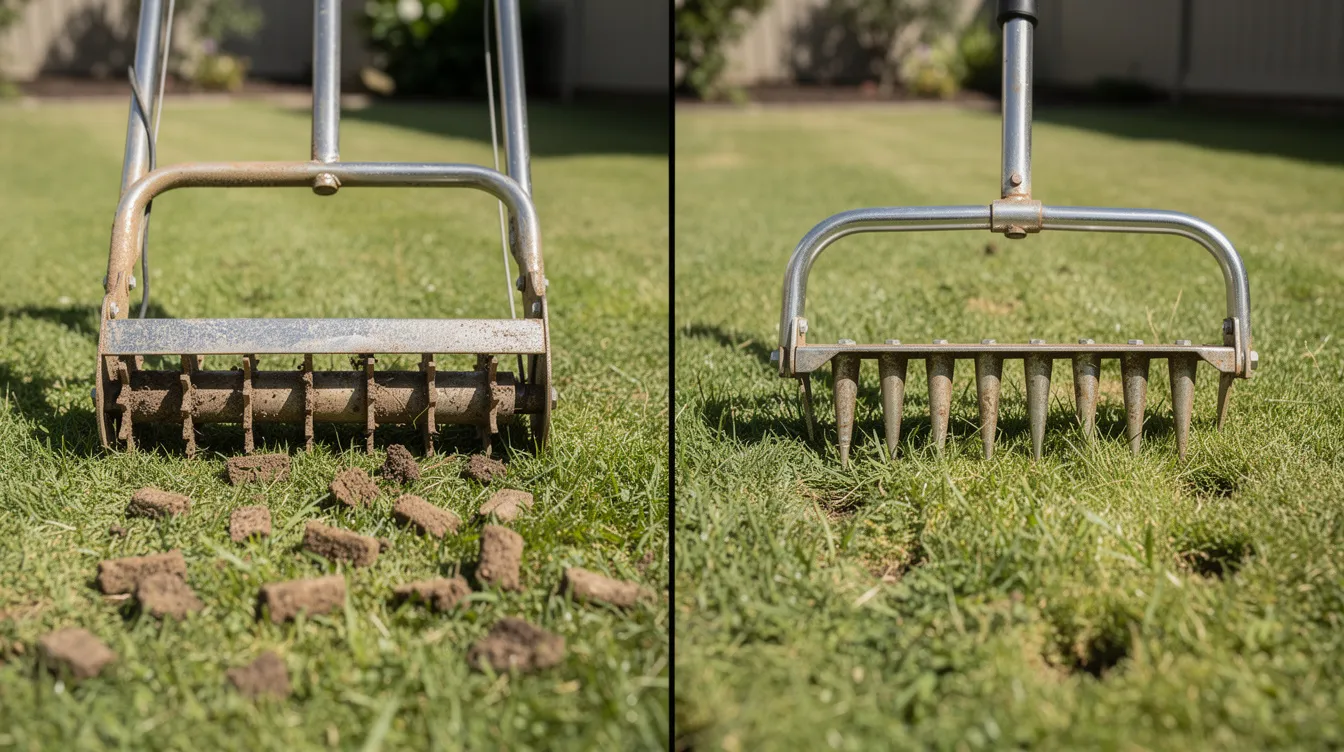
- Core aerators (plug aerators) use hollow tines to remove small cylindrical soil plugs 2–3 inches deep and about 0.5–0.75 inches wide, leaving them on the grass surface. Core aeration removes soil plugs 2-3 inches deep, physically loosening the profile.
- Plug aeration is best for compacted soil and heavy clay soil because hollow tine aeration is preferred for improving airflow and actually removes material rather than just displacing it.
- A spike aerator uses solid tines to punch small holes by poking holes into the ground, displacing soil sideways without removing it. Spike aerators create holes without removing soil. Examples include spike shoes and rolling spike drums found at lawn and garden stores and garden stores.
- On dense clay, spike aeration can worsen compaction around the holes. It's better suited to sandy or already-loose soil and is usually not enough for most Syracuse yards.
- CGM Property Services uses professional-grade core aerators for residential yards, commercial grounds, HOAs, and apartment communities across the greater Syracuse area, delivering deeper, more effective results than basic homeowner spike tools as part of their broader residential and commercial lawn mowing and landscape services.
Step-by-Step: How to Aerate Your Lawn
Whether you tackle this yourself or hire a pro, here's the process:
- Prepare: Mow the lawn one or two days before at normal height. Mark sprinkler heads, invisible dog fences, shallow cables, and landscape lighting with flags. Make sure the ground is moist.
- Get equipment: Rent a walk-behind core aerator from a local Central New York rental center (rental cost typically runs $60–$100/day), or skip the hassle and hire a professional lawn service like CGM Property Services.
- Aerate in passes: Walk the aerator in straight, overlapping passes across the entire yard. Then go a second time at a 45–90 degree angle in the most compacted areas to increase hole density.
- Target depth and spacing: The goal is to pull plugs every 2–3 inches, about 2–3 inches deep. Multiple passes beat rushing.
- Leave the plugs: Soil plugs should be left on the surface to break down over 1–2 weeks with rain and mowing. Leaving soil cores on the lawn after aeration helps return nutrients and organic matter back into the turf.
What to Do After You Aerify Your Lawn
The hours and days right after aeration are your best opportunity to improve your lawn, because the open holes act like funnels for seed, water, and fertilizer.
- Overseeding: Spread seed immediately after aeration, especially on thin areas or traffic paths. Seed-to-soil contact is dramatically improved by the fresh holes, and pairing this with ongoing lawn mowing and landscape maintenance in North Syracuse helps the new turf establish.
- Proper fertilization: Apply a quality fall or spring fertilizer suited for cool-season turf. Nutrients penetrate deeper through open aeration channels.
- Topdress: If budget allows, rake a thin layer of screened compost into the aeration holes to build organic matter and improve soil structure over time; clients in Cicero often combine this with professional lawn mowing and landscape maintenance services for consistent results.
- Water: Consistent, light watering for 2–3 weeks keeps the seedbed moist for germination. Then shift to deeper, less frequent watering to encourage roots to grow down, especially on Clay-area properties where ongoing lawn mowing, care, and landscape maintenance keep turf healthy between aerations.
- Don't disturb: Avoid picking up plugs, aggressive dethatching, or scalp-mowing right after aeration. Let the freshly opened root zone recover. You should see healthy grass and green vegetation emerging in just a few weeks.
DIY vs. Hiring a Pro: Which Is Right for You?
Homeowners can absolutely aerate themselves, but there are trade-offs.
| DIY | Professional (CGM) | |
|---|---|---|
| Cost | Rental cost $60–$100/day | ~$115–$225 for a standard lot |
| Equipment | Lighter rental units, shallower penetration | Commercial-grade core aerators |
| Risk | Possible irrigation/utility damage | Experienced crews avoid damage |
| Convenience | Transport, operate, return heavy machine | Combined with overseeding, fertilization, mowing |
| Best for | Small, simple lawns | Large properties, HOAs, apartments, clay soil |
For large commercial properties, HOAs, and apartment communities in the greater Syracuse area, professional aeration is more efficient and cost-effective than wrestling with a small rental unit. A small percentage of homeowners enjoy the DIY challenge, but most find the value of professional service worth the investment. Request a free estimate and ask for transparent pricing tailored to your soil type, traffic level, and property size.
How Often Should You Aerate Your Lawn?
Frequency depends on soil type, traffic, and how your turf has performed recently.
- Annual aeration is recommended for lawns with moderate foot traffic, heavy clay soil, and high-use areas - common across many Syracuse neighborhoods, school fields, and multi-family complexes.
- Every 1–2 years works for typical residential lawns with moderate traffic and no major drainage issues, especially when paired with routine lawn mowing and landscape maintenance in Liverpool.
- Every 2–3 years may be sufficient for light-traffic, well-maintained lawns on loamy soil showing no compaction signs, particularly where Baldwinsville lawn mowing and landscape maintenance keep the turf dense and healthy.
- Reassess yearly using the screwdriver test, puddling observations, and turf thickness to decide whether your lawn care regime should include aeration that season.
How Aeration Fits into a Complete Lawn Care Program
Aeration is powerful, but it works best as part of a broader yard and lawn maintenance plan.
- Mowing height: Keep cool-season grass types at 3–3.5 inches to shade roots and discourage weeds. When you mow at the right height, aeration benefits compound.
- Fertilization and soil testing: Open aeration holes help fertilizer and lime penetrate quickly in acidic CNY soils (average pH ~6.1). A soil test through Cornell Cooperative Extension tells you exactly what your lawn needs.
- Overseeding: Pair fall aeration with overseeding to improve turf varieties and density, especially on older lawns with thin or broken stands of grass; many Mattydale clients bundle this with lawn mowing and landscape maintenance services.
- Routine services: Edging, trimming, spring/fall cleanups, and ongoing lawn mowing and landscape maintenance in Village Green remove debris that contributes to thatch and moisture problems.
- CGM Property Services can bundle aeration with residential lawn mowing, fertilization, overseeding, and landscape maintenance into a customized annual plan for both residential and commercial clients, including lawn care and landscape maintenance services in Youngs and North Syracuse.
CGM Property Services: Aeration and Lawn Care in Greater Syracuse
CGM Property Services is a local landscape maintenance company serving homeowners, commercial properties, HOAs, and apartment communities throughout Central New York. We know the soil, the climate, and what it takes to keep a beautiful lawn healthy through Syracuse's demanding seasons.
- Core aeration and overseeding using professional plug aerators suited for compacted CNY clay soils
- Complementary lawn care: weekly mowing, edging and trimming, spring and fall cleanups, shrub and hedge pruning, and general landscape maintenance
- Transparent pricing and free estimates, with a focus on repeat and referral business built on consistent quality - not one-time quick fixes
- Customized maintenance programs for Syracuse-area clients, including HOA lawn care schedules and commercial grounds care tied to specific dates and seasons
- Contact CGM Property Services for a no-obligation lawn assessment and aeration quote. We serve Syracuse and nearby CNY communities.
Frequently Asked Questions About Aerifying a Lawn
Will aeration help a lawn that floods or puddles after Syracuse rainstorms?
Aeration often improves drainage by opening channels that let water soak into the soil beneath, which can reduce surface puddling after typical spring and fall rains in Central New York. However, severe flooding caused by grading issues, impermeable subsoil, or a high water table may require additional work such as French drains, regrading, or soil amendments. A site visit from CGM Property Services can help determine whether compaction, grading, or both are causing standing water. For more on managing lawn stress in tough conditions, see our guide to caring for your lawn during a drought.
Is liquid aeration a good substitute for core aeration?
Liquid aeration involves applying a product - usually containing surfactants, humic acid, or biological additives - via a hose-end sprayer to try loosening soil over time. While some products can modestly improve soil health, they do not physically remove cores or relieve severe compaction the way plug aerators do. In the heavy clay soil common around Syracuse, liquid aeration may serve as a supplement but should not replace mechanical core aeration for a compacted lawn.
Can I aerate my lawn more than once a year?
Yes. Multiple aerations can benefit extremely compacted or heavily trafficked turf - such as sports fields, busy apartment commons, or high traffic areas - as long as the grass is actively growing. Space aerations at least 6–8 weeks apart and avoid hot, dry early summer periods to prevent stress. Consult with a lawn care professional like CGM Property Services to design an aeration schedule appropriate for your specific conditions.
How long before I see results after aerifying my lawn?
Visual improvements like thicker growth and better color typically appear within 4–8 weeks during the growing season, especially when overseeding and proper fertilization were done alongside aeration. Deeper roots and improved drought resistance develop over several months and are most noticeable the following summer. Pair aeration with good mowing habits and consistent watering to keep your lawn healthy and maximize the response. Aeration promotes the growth of deeper roots for grass resilience that pays off season after season.
How can I get a quote for aeration from CGM Property Services?
Contact CGM Property Services by phone or through our online contact form to request a free on-site estimate for core aeration and related lawn care services. During the visit, we evaluate soil compaction, thatch levels, current turf health, and recommend a customized plan that may include aeration, overseeding, mowing, and seasonal cleanups. Schedule your aeration ahead of peak fall or late spring demand to secure the best timing for a healthy lawn.