Soil for a Garden: How to Build Healthy Garden Soil in Liverpool, NY
Choosing the right soil for a garden in greater Liverpool, NY is not just a planting detail. It affects drainage, plant roots, weeds, lawn color, and whether vegetables, flowers, shrubs, and trees thrive through Central New York’s wet springs and dry summer stretches.
Key Takeaways
Healthy garden soil is the foundation of successful raised beds, in-ground garden beds, landscape beds, and lawns around Liverpool, Clay, Cicero, and Baldwinsville.
- The best garden soil balances good drainage, soil structure, organic matter, nutrients, and air.
- Most Liverpool-area yards start with clay, compacted soil, poor quality soil, or fill dirt, but native soil can improve with compost, sand, coco coir, and patience.
- A soil test through Cornell Cooperative Extension of Onondaga County or a mail-in lab shows pH, essential nutrients, and needed amendments before adding fertilizer or lime.
- CGM Property Services focuses on lawn care and landscape maintenance, and CGM Property Management provides lawn care services that support healthy soil under turf and beds.
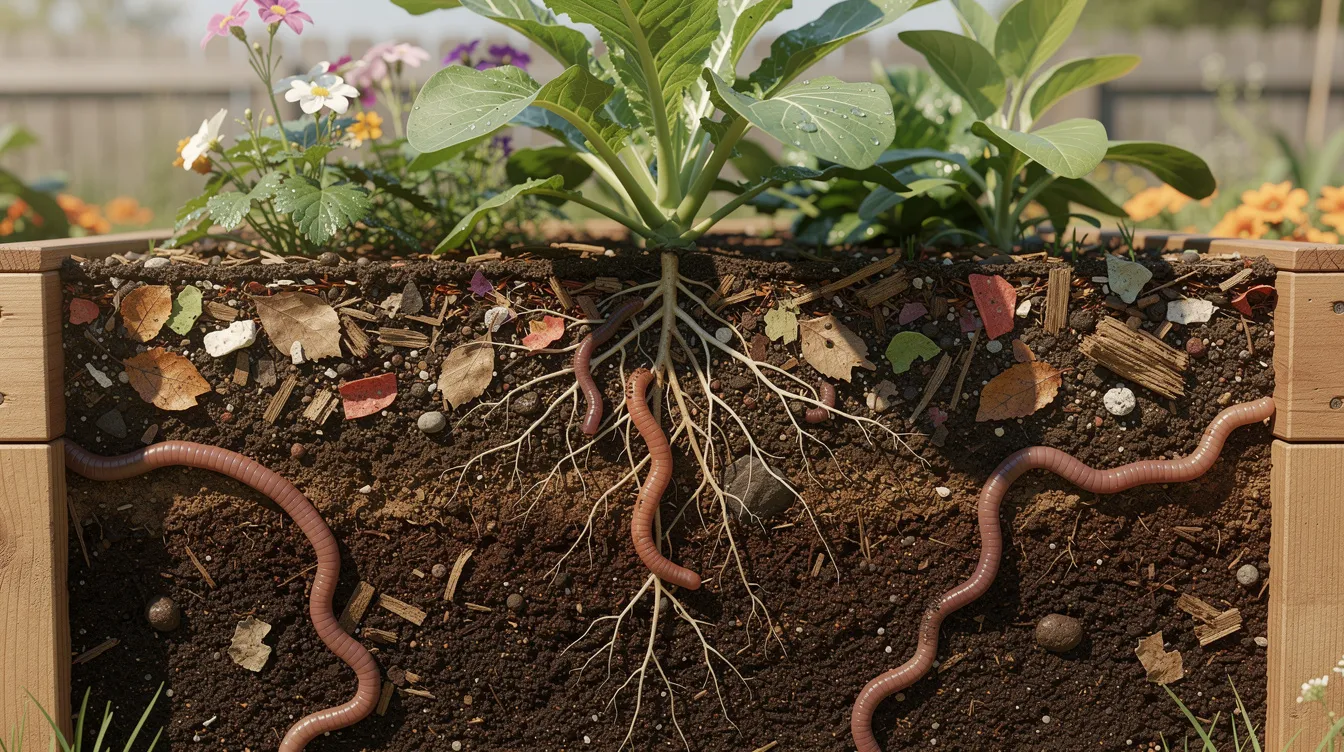
Why Soil Choice Matters for Your Garden and Landscape
Soil serves as the physical foundation for plants, providing water and nutrients essential for growth, with its impact determined by texture and composition. In Liverpool NY, poor garden soil often means sticky clay, exhausted topsoil, or cheap dirt left after construction.
That leads to puddling, shallow roots, more pests, weed pressure, lawn disease, and weak growing plants. For HOAs, apartment communities, and commercial sites, better soil reduces plant losses, irrigation needs, and repeat re-mulching, especially when paired with professional lawn care and landscaping services in Syracuse.
Raised beds warm earlier in spring 2026 and drain faster than ground beds, but only with a well-built mix. Healthy soil is alive with worms, fungi, bacteria, insects, and other soil organisms; dirt is hard, crusted, gray, or constantly soggy.
Key Characteristics of Healthy Garden Soil
Healthy soil is characterized by high fertility, good drainage, ease of tilling, and deep topsoil, which are essential for plant growth.
Look for:
- Soil texture: the balance of sand, silt, and clay.
- Structure: loose and crumbly, not compacted.
- Organic matter: compost, roots, leaves, manure, and humus.
- pH: most plants prefer soils with a pH between 6.0 and 7.0, as soils that are too alkaline or acidic can lead to poor plant growth and nutrient deficiencies.
- Biology: beneficial organisms and beneficial microbes breaking down organic material.
Healthy garden soil should crumble in your hand, smell earthy, and show decomposed leaves or roots. CGM Property Services evaluates soil condition during lawn and landscape maintenance visits and can advise on next steps.
Understanding Soil Texture and Your Existing (Native) Soil
Most Liverpool and Central New York properties sit on native soil that trends toward heavy clay or compacted subsoil, especially where builders imported fill dirt. Soil type determines how well plants access water, air, and nutrients, making the right soil texture crucial for successful gardening and for lawn mowing and landscape maintenance across Central New York.
Loam is a balanced mixture of sand, silt, and clay that provides ideal moisture retention, aeration, and nutrient availability for most plants. Sandy soil drains quickly but does not hold moisture well, while clay soil retains moisture but drains poorly; loamy soil balances both properties.
Try two tests:
- Squeeze test: wet soil that forms a ribbon usually has high clay.
- Jar test: shake soil and water; sand settles first, silt next, clay last.
Compacted or sticky soil can hinder root growth, while good soil should be loose and friable to allow roots to spread without resistance. Improve native soil when possible; reserve full replacement for small raised beds or specialty plants.
Start with a Soil Test
Testing your soil is crucial to determine its nutrient levels and pH, which helps in understanding what amendments are needed for optimal plant growth. Soil tests identify Nitrogen, Phosphorus, and Potassium, the essential macronutrients for plants, and testing soil can identify which nutrients are lacking.
CCE Onondaga and local labs typically return soil test results in 1–3 weeks, with many 2026 garden tests around $12–$17 and basic lawn pH/phosphorus tests around $7.
Collect several 4–6 inch cores from beds, lawn areas, or future raised beds, mix them in a clean bucket, and air-dry the sample.
Most vegetables thrive in slightly acidic soil with a pH between 6.0 and 6.5, and soil tests can help determine if adjustments are necessary. Most vegetables, annuals, and turfgrasses perform best around pH 6.0–7.0. Test every one to two years for vegetable gardens and every two to three years for lawns and ornamental areas. Results also prevent over-fertilization and runoff toward Onondaga Lake.
Organic Matter: The Engine of Healthy Soil
Organic matter is the best tool for improving compacted Liverpool-area yards. Healthy soil should contain plenty of organic matter and support beneficial organisms like earthworms and microbes, which aerate the soil and break down organic material into plant-available nutrients.
Options include municipal leaf compost, bagged compost, shredded leaves, grass clippings, and well-aged horse or cow manure. Highly decomposed plant material, known as humus, is a stable and important source of plant nutrients that is great for growing plants.
Organic matter helps sandy soil retain moisture and nutrients and breaks up dense clay soil to create air pockets for better drainage. Incorporating organic matter into your soil can improve its structure, moisture retention, and nutrient availability, which is essential for healthy plant growth and supports Liverpool lawn mowing and landscape maintenance services.
Add 2–3 inches of compost and work it 6–8 inches deep for 1–3 seasons. Regularly adding compost to your garden soil not only provides essential nutrients but also supports beneficial microorganisms that help break down organic matter. As soil organisms like fungi and bacteria break down plant and animal parts, nutrients become available to plants, creating a beneficial cycle.
Building Soil for Raised Beds vs. In-Ground Garden Beds
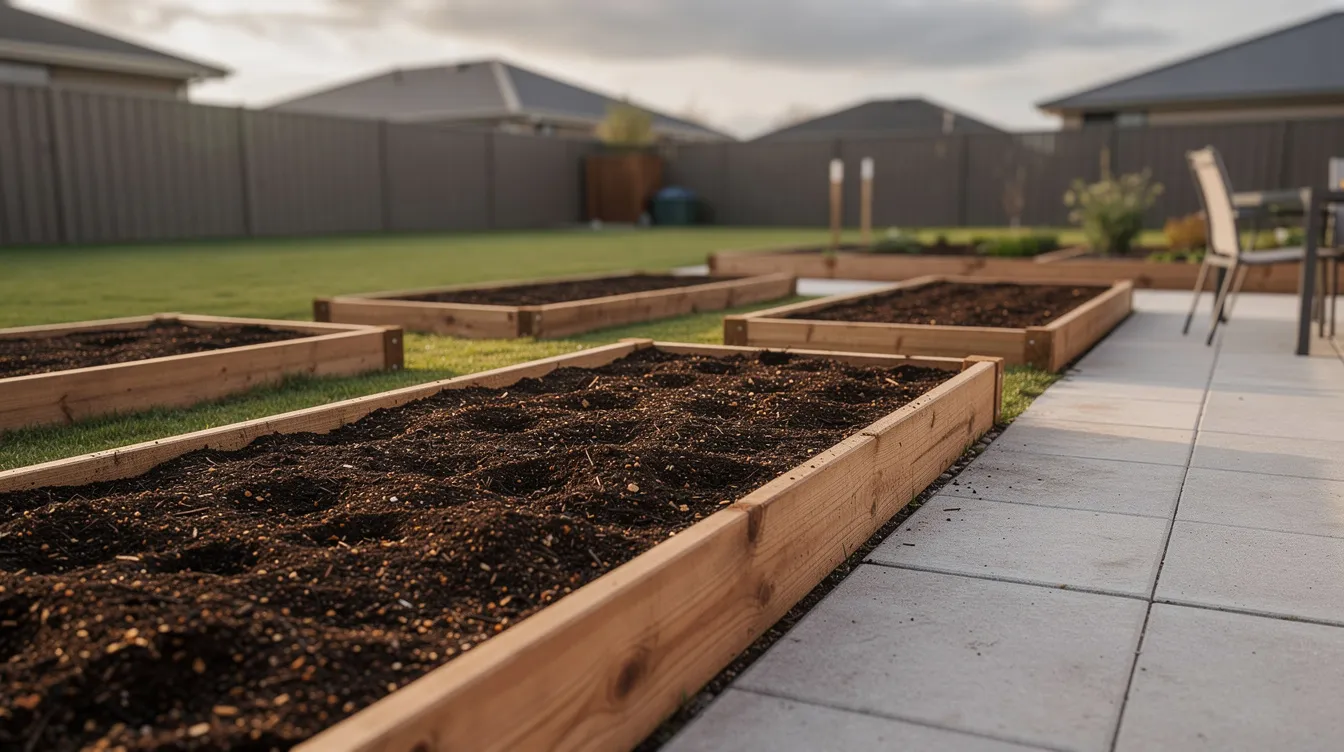
Raised beds help when native soil is poor, wet, or full of rocks. Quality raised-bed soils should be composed of a balanced mix of materials, including topsoil, compost, and sand, to ensure proper drainage and nutrient availability, and these same principles guide Clay, NY lawn mowing and landscape maintenance.
A common recommended mix for raised beds is 40% topsoil, 40% compost, and 20% sand or perlite, which can be adjusted based on specific plant needs. Experts recommend mixing 25–50% compost into your raised-bed soil to support beneficial organisms and provide essential nutrients for plants.
For in-ground beds and surrounding turf, consistent care from North Syracuse lawn mowing and maintenance services can support long-term soil health.
For in-ground beds:
- Remove turf and weeds.
- Loosen the ground 8–10 inches.
- Add compost.
- Mix thoroughly.
- Add mulch after planting.
Organic matter improves soil physical properties such as air and water availability, allowing for healthy root growth. To improve drainage and prevent soil compaction, adding coarse sand or perlite to your soil mix is recommended, especially in raised beds.
Choosing and Using Common Soil Materials
Fill dirt is subsoil for grading and fill, not a planting medium. Topsoil can be suitable as a base if improved. Garden soil or planting mix adds organic matter and improves structure in beds. Compost is nutrient rich but not complete alone. Potting soil with peat, coco coir, bark, and perlite belongs mostly in pots. Specialty raised-bed mix is made for large planters, and similar distinctions matter when planning Cicero lawn mowing and landscape maintenance programs.
Avoid pure fill dirt, deep beds filled only with potting mix, and bulk materials with plastic, debris, weed seeds, or too many rocks. Buy from reputable Liverpool/Syracuse suppliers and inspect smell, color, and texture, especially if you’re planning ongoing Baldwinsville lawn mowing and landscape maintenance.
When CGM Property Services coordinates bed renovation or lawn repair, we source quality topsoil and compost blends instead of the lowest-cost fill.
Soil pH and Nutrients: Getting the Balance Right
pH controls whether plants can access many nutrients. Most vegetables, annual flowers, and cool-season turfgrasses in Liverpool NY prefer pH 6.0–7.0; blueberries and rhododendrons need about 4.5–5.5.
Use lime for acidic soil and sulfur, pine needles, or peat for alkaline spots. Nitrogen supports leaf growth, phosphorus supports roots and flowering, and potassium supports stress tolerance. Yellowing, stunting, and poor flowering can signal deficiencies.
Use slow-release or organic fertilizer when possible, and do not fertilize heavily before major spring rain. If a crop like corn needs more nitrogen, soil test results should guide how much to add nitrogen, just as soil health testing can inform Mattydale lawn mowing and landscape maintenance plans.
Maintaining Healthy Soil Year After Year
Soil improvement is not one-and-done. Each spring or fall, add 1–2 inches of compost to garden beds, then mulch with shredded leaves or bark.
Once structure improves, reduce tilling so you protect worms, fungi, and microbes and avoid bringing weed seeds into the top few inches. Keep soil covered with mulch, dense turf, or cover crops. Rotate crops such as tomatoes, cabbage, and corn, and use row covers where needed to limit pests without overworking the soil, and pair these practices with consistent Village Green lawn mowing and landscape maintenance.
How Healthy Soil Supports a Better Lawn (and How CGM Property Services Helps)
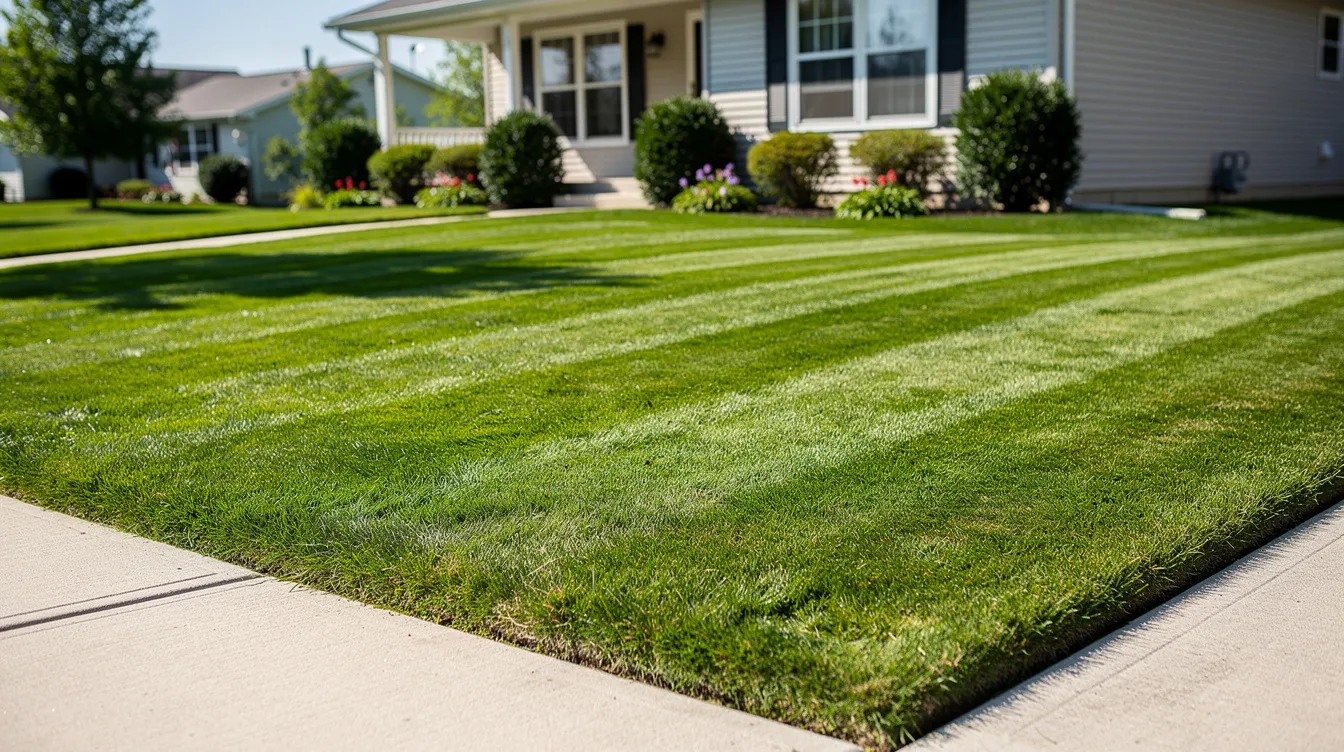
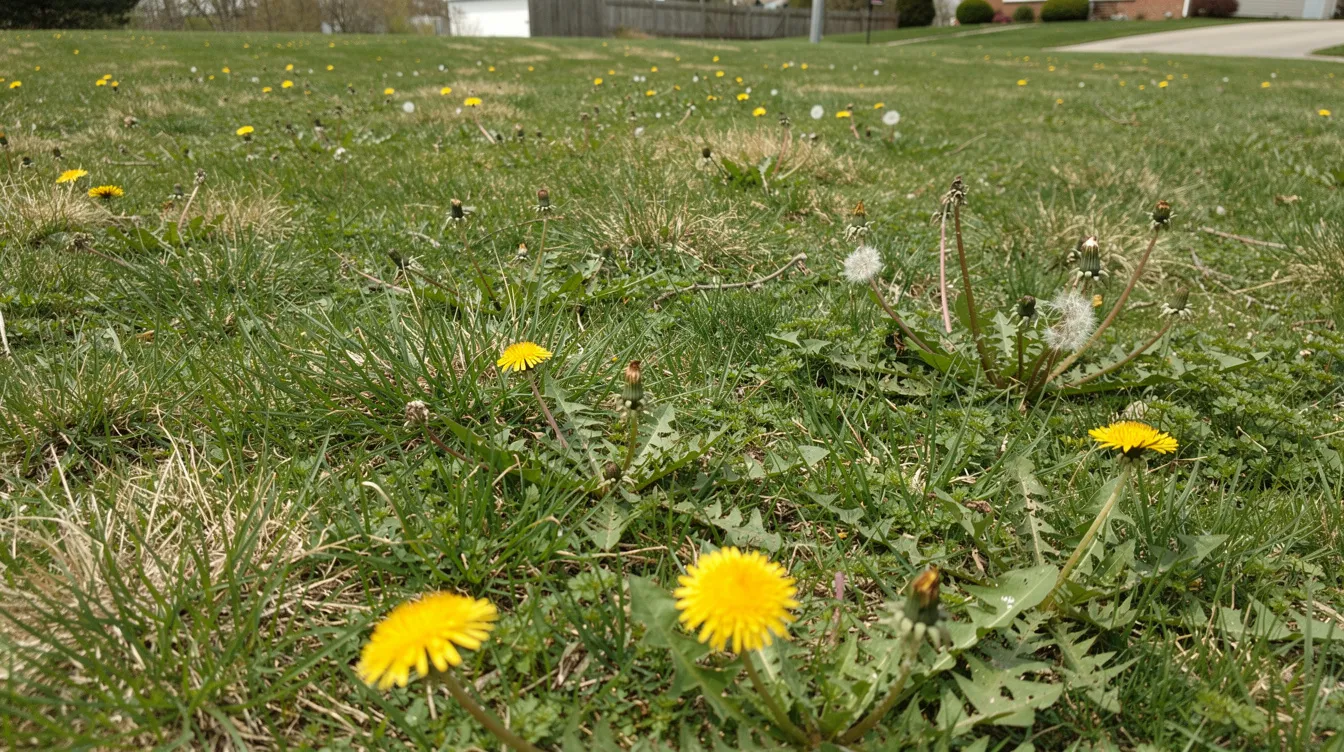
The same principles that help grow vegetables also create thicker turf. Low-organic-matter, compacted soil causes shallow grass roots, crabgrass, irrigation stress, and extra fertilizer needs.
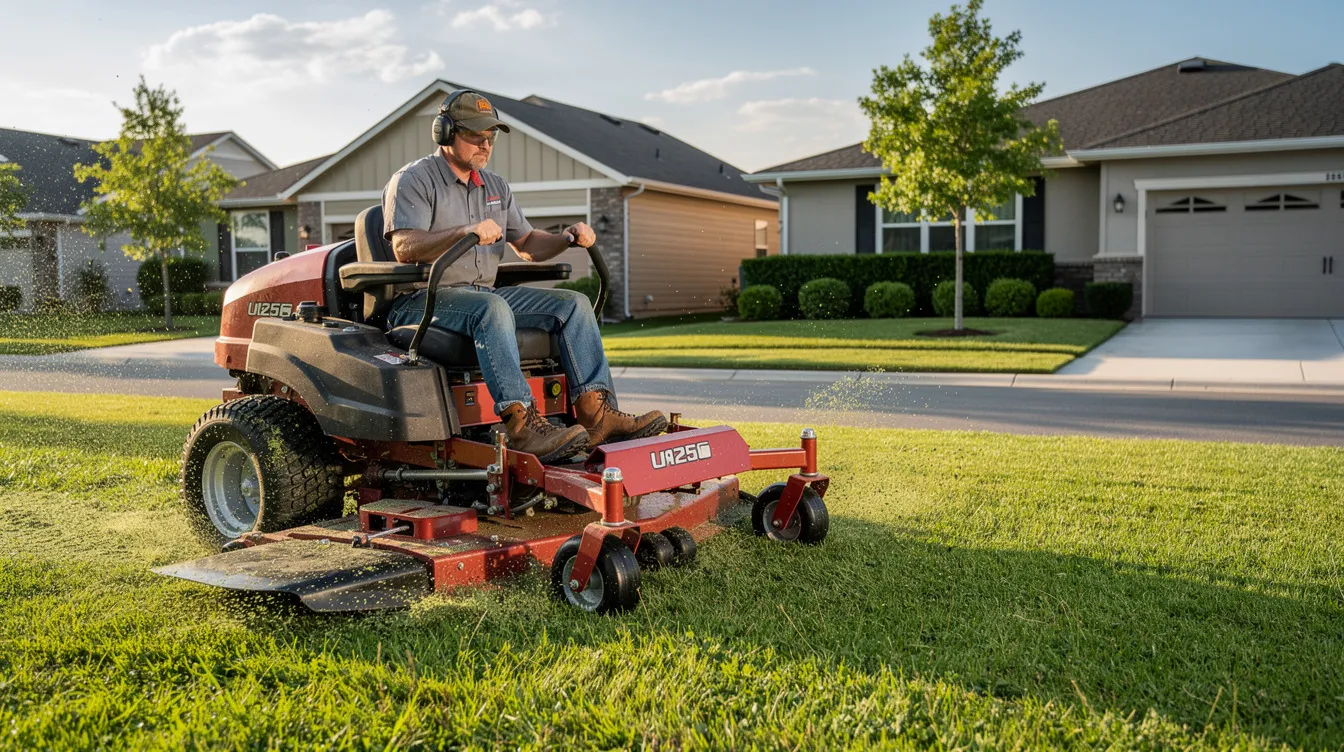
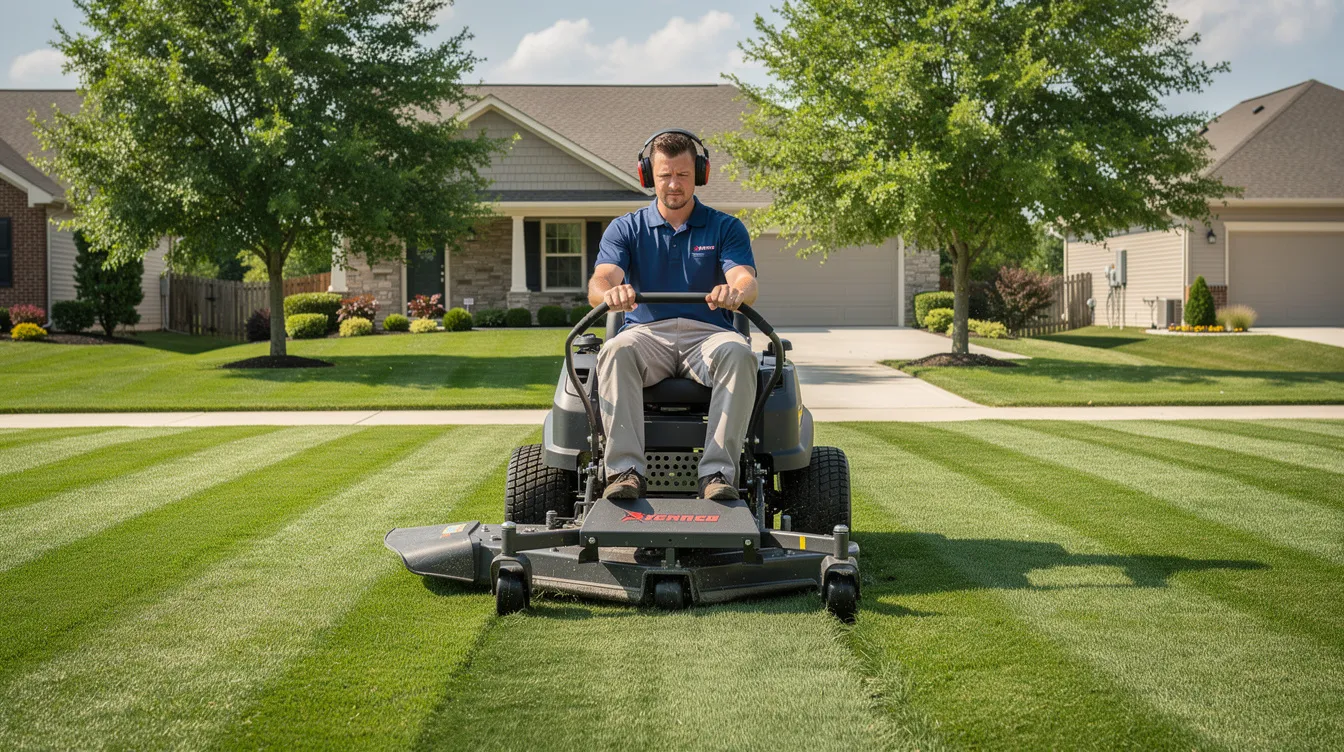
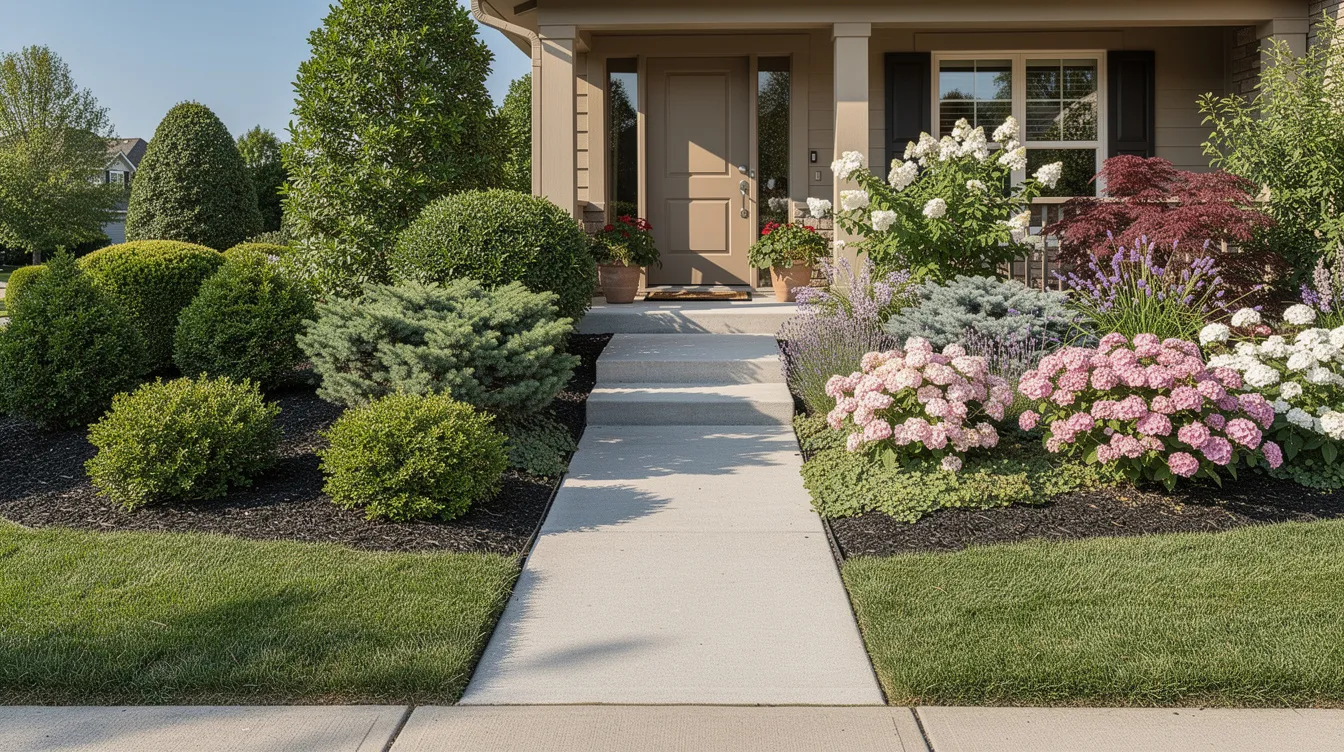
CGM Property Services provides lawn mowing, edging, trimming, clean-ups, and landscape maintenance that protect turf health. For HOAs, apartments, commercial properties, and homeowners, we can integrate overseeding, seasonal cleanups, mulch maintenance around trees and shrubs, and soil-conscious planning, including tailored lawn mowing and landscape maintenance near Youngs, NY.
We serve Liverpool, Clay, Cicero, Baldwinsville, and nearby Central New York communities with transparent pricing, reliable scheduling, and long-term lawn and landscape care.
Frequently Asked Questions About Garden Soil in Liverpool, NY
How do I know if my garden soil is “good enough” to start planting this year?
Dig a small hole in early spring. If the soil crumbles, smells earthy, has worms, and drains within a few hours after rain, it is likely ready. If it is sticky clay, sour-smelling, or waterlogged, improve it first with compost or use raised beds for the vegetable garden.
Is it okay to fill my new raised beds with cheap fill dirt and just add compost on top?
Not usually. Straight fill dirt causes compaction, poor drainage, and weak roots. For deep beds, use cheaper fill only low in the bed, then place a consistent garden soil mix in the top 10–12 inches.
Can I use coco coir instead of peat moss in my Central New York garden beds?
Yes. Coco coir is a sustainable alternative to peat that improves water retention and loosens tight soil. Do not use pure coco coir alone because it lacks many nutrients. A simple blend is one part coco coir, one part compost, and two parts native soil or topsoil.
How often should I add compost to my garden beds and around my lawn?
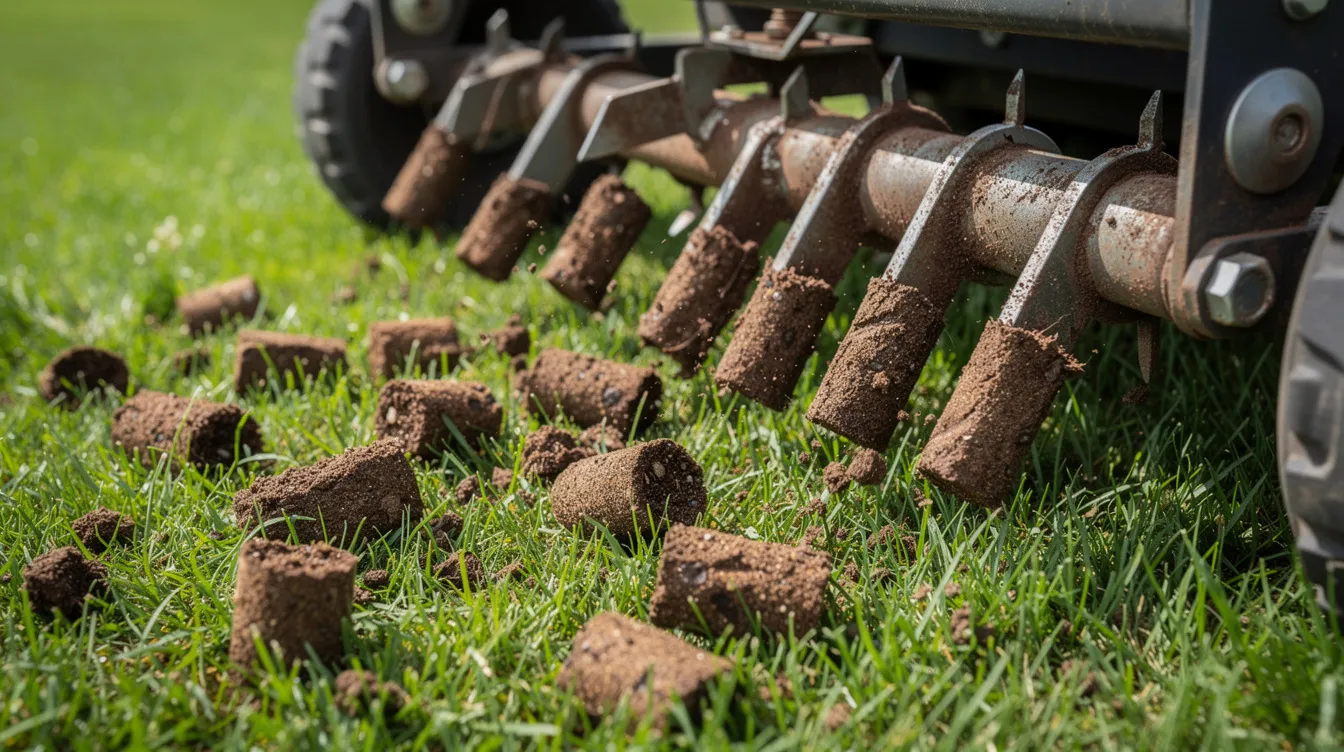
Add 1–2 inches to beds yearly. Lawns benefit from about 1/4 inch every 1–2 years, especially after aeration. Do not overapply compost because excess phosphorus or salts can build up.
Does CGM Property Services improve garden soil, or just mow lawns?
CGM Property Services is primarily a lawn care and landscape maintenance company, offering mowing, edging, trimming, yard clean-ups, and seasonal maintenance. While we are not a full-scale soil supplier, CGM Property Management provides lawn care services and our crews regularly work with topsoil, mulch, compost, and bed preparation.
For a free lawn care and landscape maintenance estimate in Liverpool or nearby Central New York communities, contact CGM Property Services today for transparent pricing and reliable ongoing service.