How Often Should You Mow Your Lawn in Central New York? (Lawn Mowing Syracuse, NY Guide)
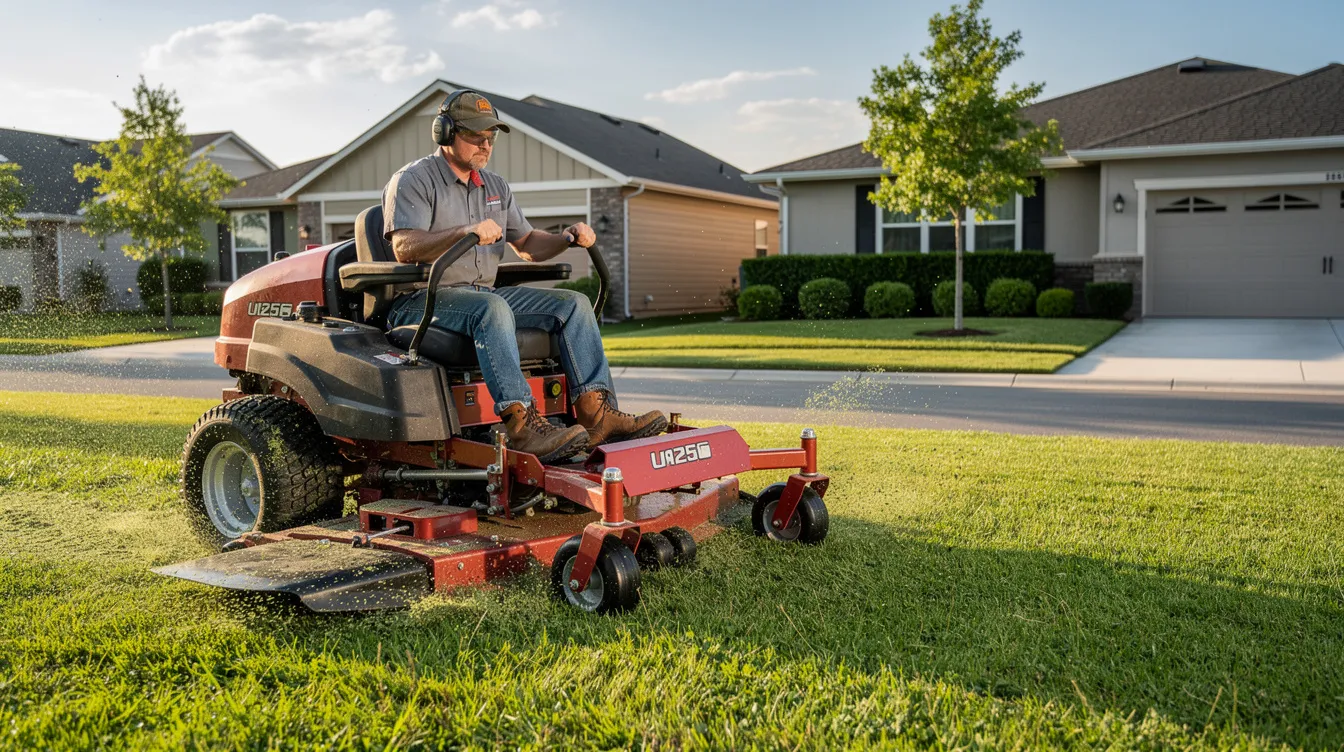
Central New York homeowners know that Syracuse weather doesn't follow a neat schedule, and neither should your lawn mowing. Between spring rain surges, humid summers, and early fall frosts, the right mowing frequency can make or break the health of your yard. This guide breaks down exactly how often to mow your lawn in Syracuse, NY, based on grass type, season, and real-time growth, so you can maintain a green lawn from late April through mid-October.
Key Takeaways
- Most Syracuse lawns (Kentucky bluegrass, perennial ryegrass, fescue) need mowing every 5–7 days from late April through mid-October, weather permitting.
- The one-third rule - never remove more than one-third of the grass blade - is the most reliable way to set mowing frequency instead of relying on the calendar alone.
- During hot, dry July–August stretches in Central New York, mowing often stretches to every 7–10 days (sometimes 10–14 days), with the mower height raised to protect roots.
- Syracuse homeowners can expect about 24–28 mowings per year for a typical lawn.
- CGM Property Services offers weekly and bi-weekly lawn mowing service in Syracuse and surrounding CNY communities, with transparent pricing and free estimates.
Why Mowing Frequency Matters for Syracuse, NY Lawns
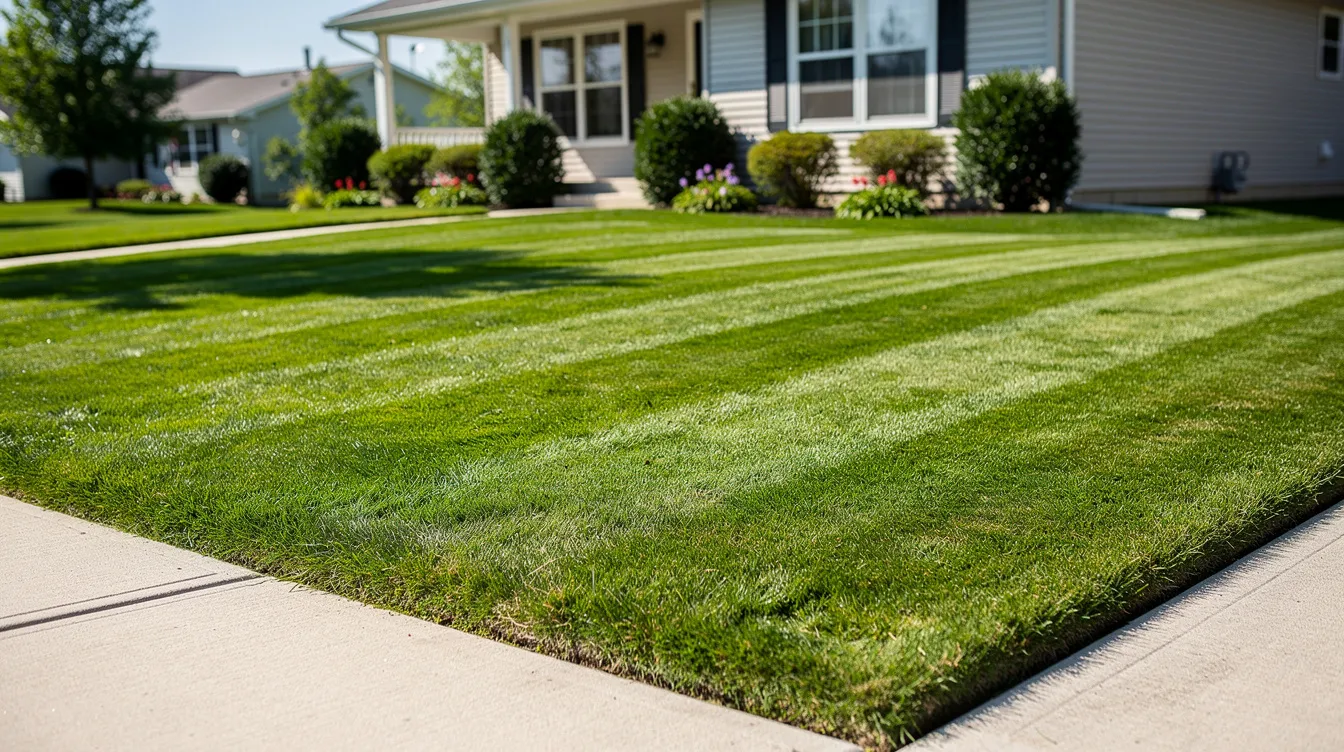
Central New York's climate - cold, snowy winters followed by humid summers and heavy spring rainfall - makes mowing timing critical for any homeowner who wants a healthy lawn. Mowing frequency should adapt to local weather conditions rather than a rigid schedule, and getting it right has a direct impact on how your yard looks and performs all season.
Here's what correct lawn mowing frequency does for your turf:
- Builds a thick, beautiful lawn that crowds out future weeds and resists disease
- Regular mowing encourages thicker grass and stronger weed resistance over time
- Reduces vulnerability to common lawn pests like chinch bugs and white grubs
- Supports deeper root growth that helps grass survive summer heat and foot traffic
When you mow too infrequently - especially after rainy Syracuse weeks - you end up scalping the lawn, leaving clumps of clippings, and opening up bare spots for crabgrass invasion. Mow too often or too short, and you stress the grass into shallow roots, pale color, and increased disease risk.
Proper mowing works hand in hand with watering, fertilizing, and seasonal clean-ups to maximize the value of any lawn care service. CGM Property Services' lawn care pros build mowing schedules specifically around Central New York weather patterns so your yard stays well maintained through every phase of the growing season.
Central New York Climate: How Local Weather Shapes Your Mowing Schedule
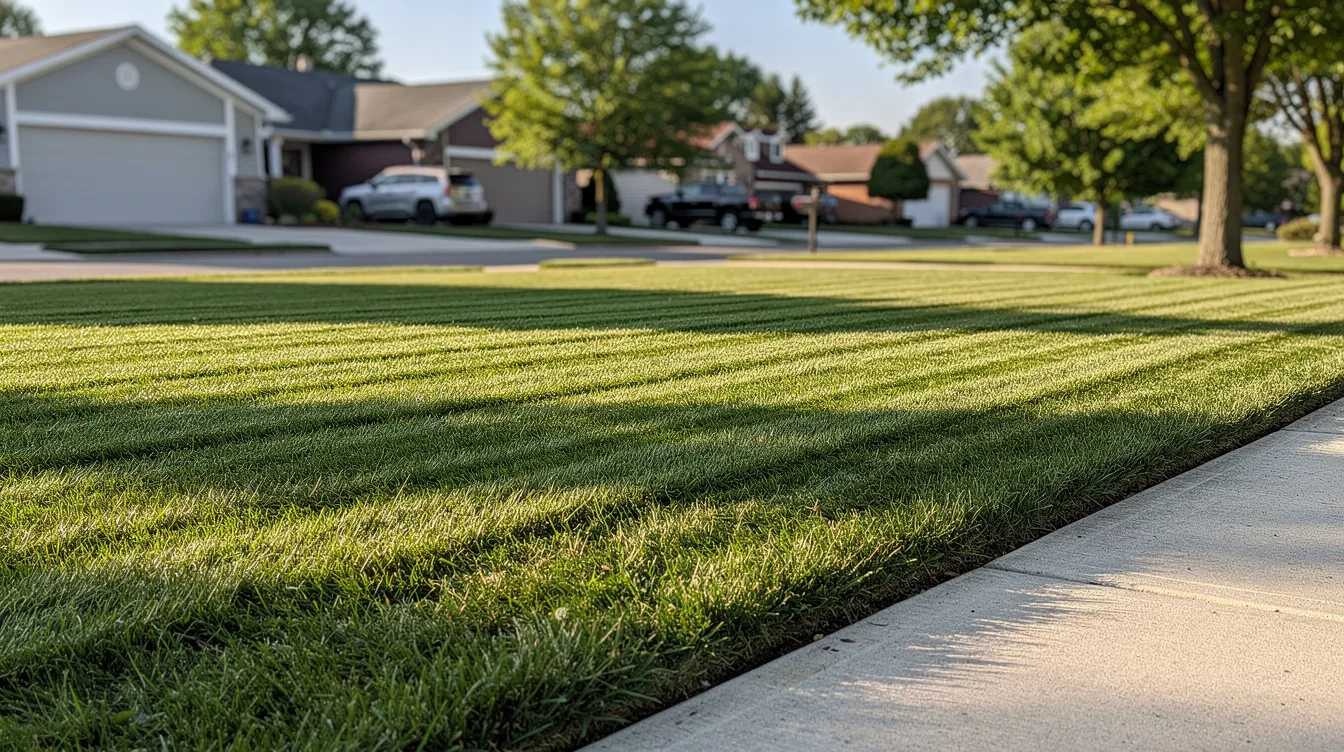
Syracuse's weather pattern is distinctive: late snow lingers into April, then a fast green-up hits in May as temperatures rise and rain arrives. Summers bring humidity and occasional dry spells, while fall offers a second growth surge before frost shuts things down. Local pros are familiar with Syracuse's clay-heavy soil, which holds moisture longer and affects when you can safely get a lawn mower onto the turf.
Key timing details for the Syracuse area:
- The active mowing season runs from roughly late April through mid-October in Syracuse and nearby towns like Liverpool, Clay, and DeWitt.
- The average last spring frost falls around May 5, with the first fall frost near October 11 - a growing season of about 158 days.
- Syracuse experiences significant seasonal growth surges in spring due to ample rainfall, which can force mowing every 4–5 days during certain weeks.
- Summer heat and dry spells slow growth, stretching intervals to 10 days or more.
Lake-effect weather can change conditions fast. Rather than watching the calendar day, watch your grass height. CGM Property Services monitors local forecasts and adjusts mowing schedules after heavy rain weeks or extended dry periods, so your yard and lawn stay on track.
Common Central New York Grass Types and Their Ideal Mowing Frequency
Most Syracuse lawns are composed of cool season grasses, and knowing your grass type is a big factor in setting the right mowing frequency and overall lawn care approach. Unlike warm season grasses found in the southern U.S., these species thrive during the cooler temperatures of spring and fall and slow down during July and August heat.
Here are the grasses you'll most commonly find in Central New York:
| Grass Type | Recommended Height (Spring/F | Summer Height | Typical Mowing Interval (Peak Growth) |
|---|---|---|---|
| Kentucky bluegrass | 2.5–3.0 inches | 3.0–3.5 inches | Every 5–7 days |
| Tall fescue | 3.0–4.0 inches | 3.0–4.0 inches 3.5–4.0 inches | Every 5–7 days |
| Perennial ryegrass | 1.5–2.5 inches | 2.5–3.0 inches | Every 5–7 days |
| Fine fescue | 2.5–3.0 inches | 3.0 inches | Every 7–10 day |
Maintain grass height around 2.5 to 3.5 inches for optimal growth and weed control. Higher mowing heights usually mean slightly less frequent cutting and deeper roots that handle Central New York's summer stress much better.
If you're not sure what grass seed mix is in your yard, a CGM Property Services lawn care expert can help you identify your grass type and set the right mower height and schedule for your property.
The One-Third Rule: The Best Way to Decide When to Mow
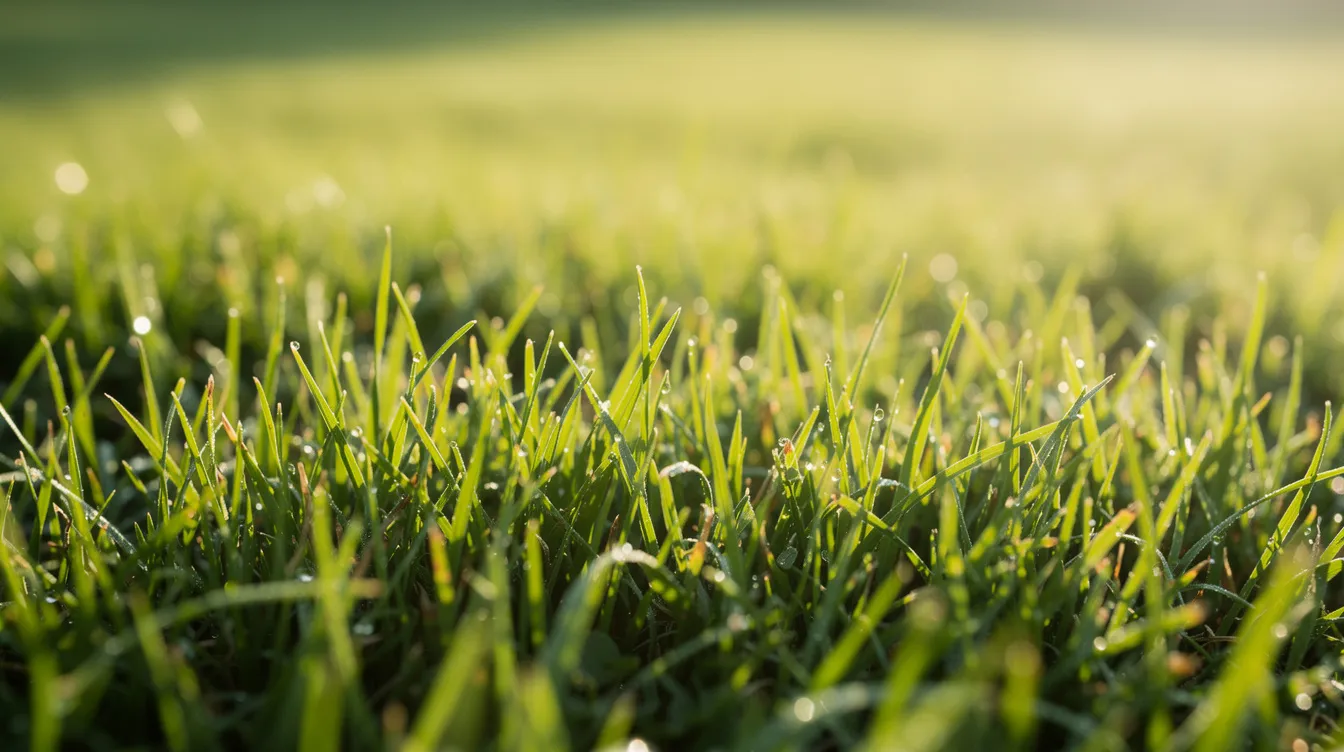
The one-third rule is the single most important guideline lawn care experts use to determine mowing frequency, and it works better than any fixed weekly schedule. Mowing should align with grass growth rather than fixed dates on a calendar.
Here's how it works:
- Never cut more than one-third of the grass blade length in a single mowing session.
- Removing more than a third shocks the plant, reduces photosynthesis, weakens roots, and increases vulnerability to pests and disease.
- Adjust mowing frequency based on the grass growth rate - fast growth means more frequent cuts.
A concrete Syracuse example: if your target mowing height is 3 inches, you should mow when the lawn reaches about 4.5 inches. During rapid growth in May, that threshold might arrive every 4–6 days. In slower July heat, it could take 10 days or longer. Cornell's Integrated Pest Management program confirms this approach yields healthier turf and better disease resistance.
Breaking the rule after rainy stretches in Syracuse leads to scalping, yellow or brown tips, exposed weed seeds, and dead patches that take weeks to recover. CGM Property Services trains crews to adjust mower deck height and mowing patterns to follow the one-third rule on each visit, regardless of how much the grass grew between service dates.
Month-by-Month Mowing Frequency in Syracuse, NY
These intervals are Central New York averages. Actual mowing is always adjusted for real-time growth and weather conditions rather than strict calendar dates. Syracuse homeowners can expect 24–28 mowings per year when following this general timeline.
- Late April: Mow every 7–10 days once soil is firm, grass is 3.5–4 inches tall, and daytime highs stay consistently above the mid-50s °F.
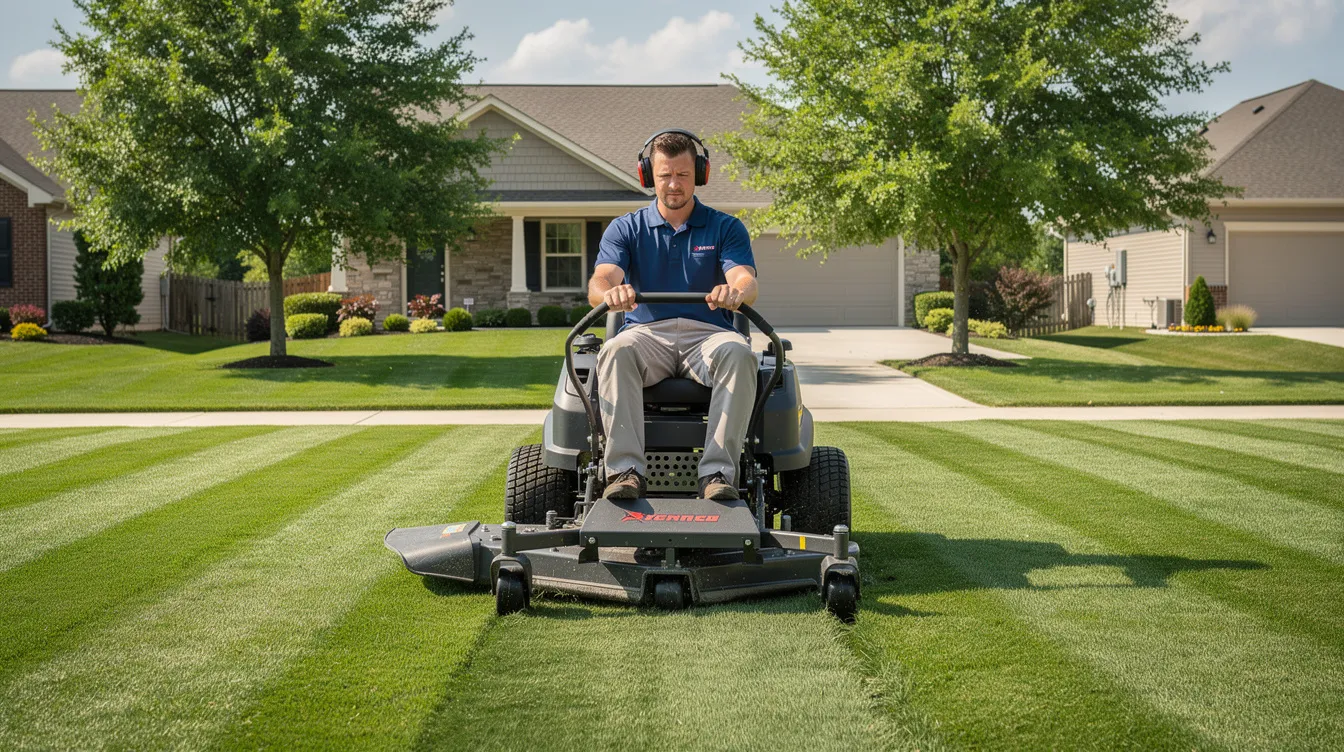
- May–June: Mow every 5 to 7 days during peak growth periods in spring. This is the fastest growth window, and skipping a week can force a damaging catch-up cut.
- July–August: Reduce mowing frequency to every 10 to 14 days during summer heat. Raise the mower height to protect roots and conserve soil moisture.
- September: Growth picks back up with cooler temperatures. Mow every 5 to 7 days again as the fall growth surge kicks in.
- October: Mow every 10–14 days or as needed. Plan the final mow before winter once growth stops - usually late October or very early November, depending on that year's frost dates.
The first mow of the year is one homeowners often rush. Wait until the ground is firm enough to support your lawn mower without leaving ruts, and the grass has clearly started active growth. CGM Property Services offers seasonal lawn mowing plans that automatically track these transitions so customers don't have to guess when to schedule service.
Seasonal Mowing Tips: Spring, Summer, Fall, and Winter in CNY
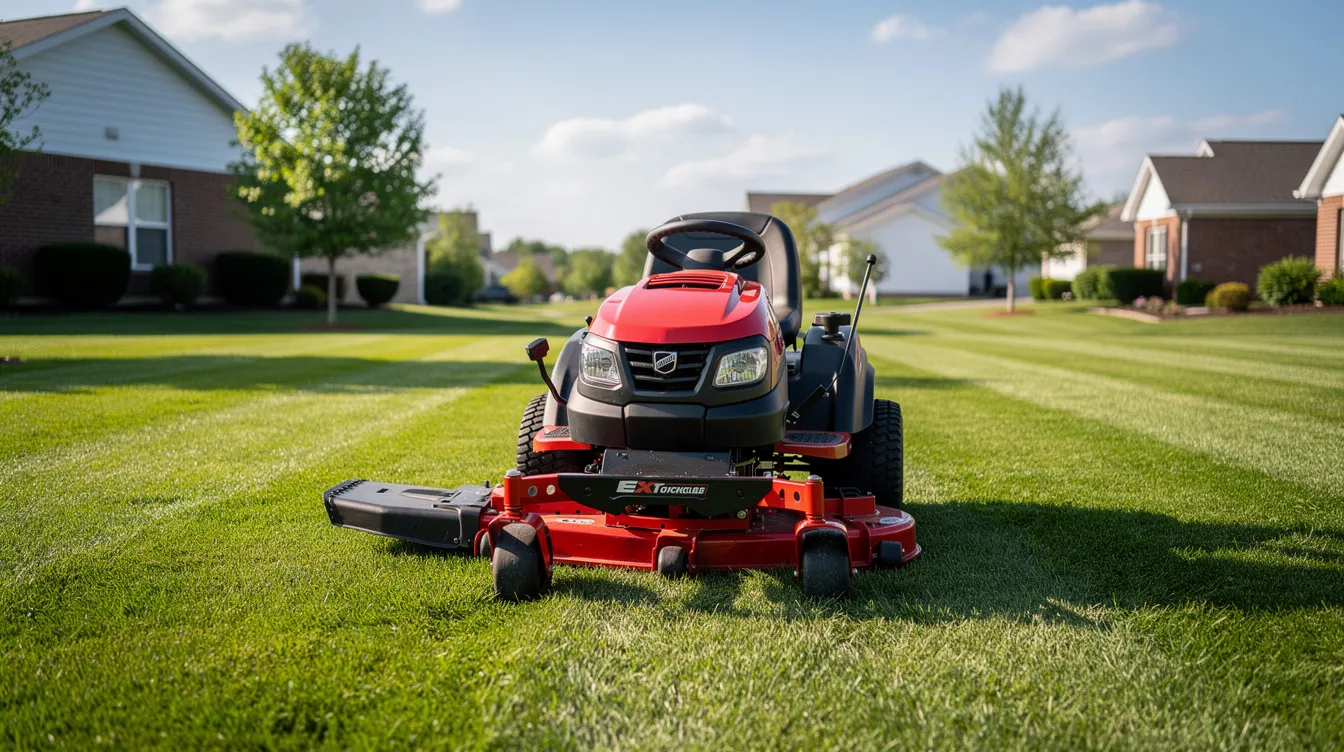
The same lawn needs slightly different mowing strategies from March through December in Central New York. Here's what to focus on each season.
Spring (March–May)
Early spring is about cleanup and preparation. Remove winter debris before the first cut. Mow slightly lower on that initial pass to clear dead material, then raise the deck for subsequent mows. Apply fertilizer in early spring for optimal lawn growth, and pair mowing with spring clean-ups and edging from CGM Property Services.
Summer (June–August)
During summer drought, raise mower height to 3 to 4 inches to preserve soil moisture. Mow at the highest setting for healthier roots and never mow a stressed, wilted lawn at midday. Slow the frequency - your grass will tell you when it's ready by reaching the one-third threshold. For extended dry periods, consult CGM's guide on caring for your lawn during a drought.
Fall (September–November)
Growth returns as temperatures cool. Resume regular mowing at 5–7 day intervals. Gradually lower cutting height slightly on the last couple of cuts to reduce snow mold risk heading into winter. Leaf removal is critical during fall - smothered grass going into winter invites fungal problems.
Winter (December–February)
Winter dormancy means little to no mowing. Avoid parking equipment on frozen turf or piling heavy snow where it will crush the grass. This is the season to sharpen mower blades, service equipment, and plan next year's yard care approach.
Signs You're Mowing Too Often - or Not Often Enough
Your lawn's appearance during the growing season quickly reveals whether your mowing schedule is on track. Here's what to look for.
Signs you're mowing too frequently or too short:
- Pale or yellow grass throughout the lawn
- Visible soil between grass plants
- More weeds appearing, especially in summer
- Stressed, thin turf that can't handle July heat or heavy foot traffic
Signs you're mowing too infrequently:
- Clumps of clippings sitting on top after rain weeks
- Gray or matted patches from long, flattened grass
- Scalped areas with dead patches where blades were suddenly cut way back
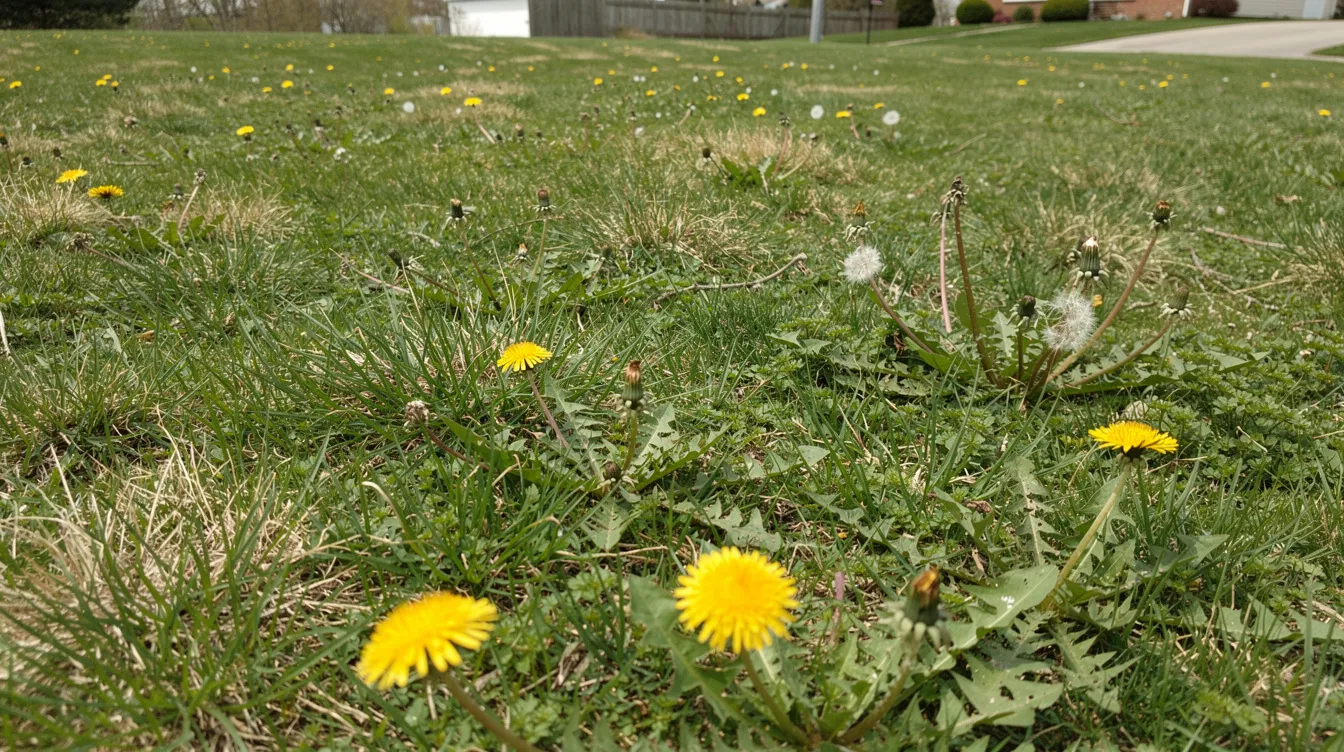
- More crabgrass, dandelions, and broadleaf weeds taking hold in bare spots
Sharpen mower blades at least once a season for clean cuts and to prevent diseases. Dull blades tear rather than cut, leaving ragged tips that brown quickly and invite fungal infections. Uneven cuts across the lawn are another telltale sign of blade problems.
Track how your lawn looks 24–48 hours after each cut to judge whether timing and cutting height are appropriate. If these warning signs show up repeatedly, consider contacting CGM Property Services for a lawn care assessment.
How Lawn Mowing Frequency Affects Weeds, Diseases, and Common Lawn Pests
Consistent mowing in Syracuse directly reduces weed pressure and keeps pest and disease problems in check across the entire season.
- A dense, regularly mowed lawn shades the soil surface, making it much harder for crabgrass, plantain, and broadleaf weeds to germinate. Proper mowing is one of the most effective forms of weed control available.
- Typical Central New York turf issues include fungal diseases during humid weather and pests like chinch bugs and white grubs. Maintaining proper mowing height helps cool season grasses resist these problems naturally.
- Leaving long, wet grass uncut for weeks encourages fungus. Scalped spots invite bare-soil weeds and insect damage that can spread rapidly.
- A lawn that's allowed to grow thicker through regular mowing creates ideal growing conditions that crowd out future weeds before they establish.
CGM Property Services can combine mowing, trimming, and targeted treatments into a full lawn care program if pests or diseases are already present on your property.
Clippings, Edging, and Clean-Ups: Details That Impact Your Mowing Schedule
What you do during and after mowing can change how soon you need to mow again and how tidy the property looks between visits.
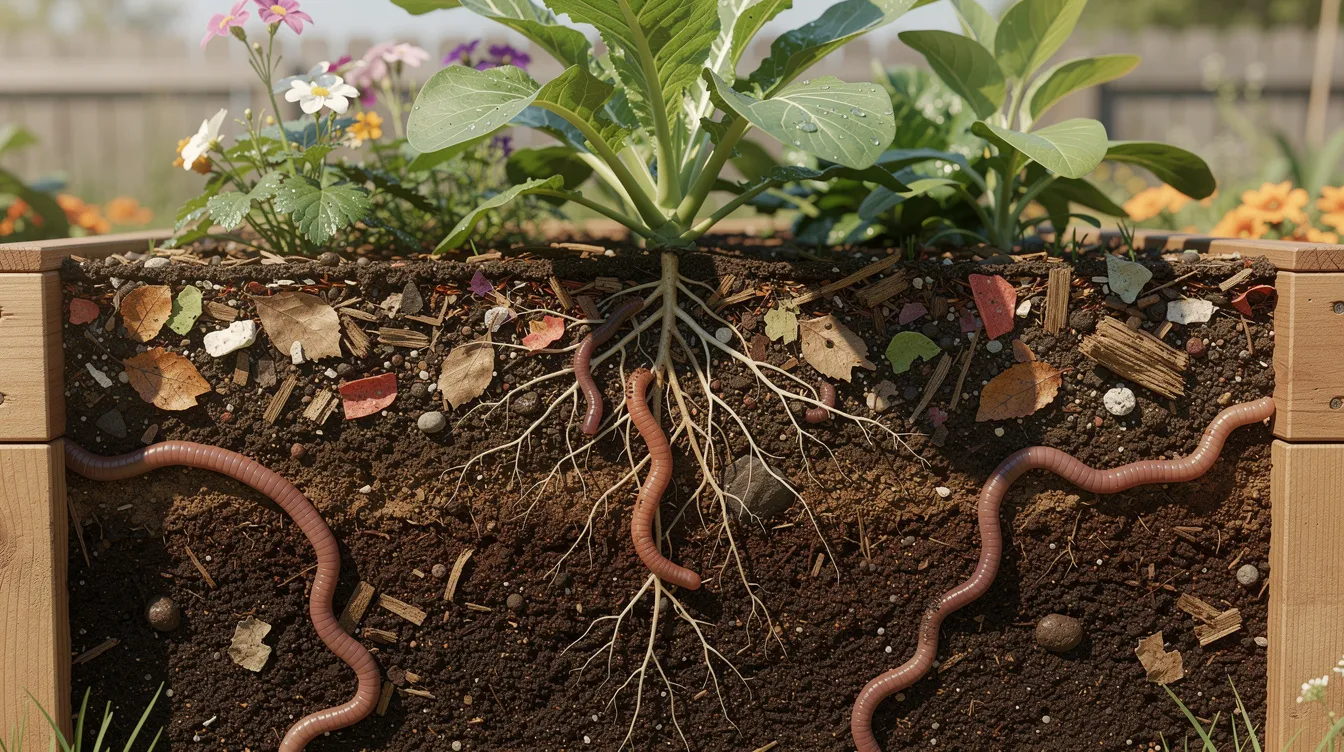
- Leave grass clippings on the lawn to return nutrients to the soil through natural decomposition. When you mow frequently and follow the one-third rule, clippings break down quickly and do not contribute to thatch buildup.
- Avoid mowing wet grass to prevent clumping and soil compaction. Very tall or soaked grass may require bagging to prevent heavy clumps from smothering the turf underneath.
- Regular edging and string trimming along sidewalks, driveways, and landscape beds keeps the whole yard looking sharp between mows.
- Seasonal yard clean-ups - spring stick and debris pickup, fall leaf removal - allow more efficient, higher-quality mowing passes and prevent matted grass.
CGM Property Services includes mowing, trimming, and hard-surface cleanup in standard residential lawn mowing visits and can add spring and fall clean-ups as needed.
Adjusting Mowing Frequency for Hills, Shade, and Wet Areas
Not every part of a Syracuse yard grows at the same speed. Shade, slope, and drainage all create micro-zones that need different treatment.
- Shaded areas under maples and oaks grow more slowly and may tolerate slightly less frequent mowing, but should still be kept at proper height to avoid thinning.
- Low, wet spots that stay soft after rain are prone to soil compaction if you mow too soon. Wait until the ground is firm enough that footprints don't sink in and mower tires won't leave ruts.
- Hills and embankments require safe mowing patterns. Steep slopes may need trimming with a string trimmer rather than running heavy equipment across them.
- Fine fescue and shade-tolerant grass seed mixes in these areas often respond well to slightly higher cutting heights.
CGM Property Services evaluates each property's trouble spots and adapts mowing patterns and frequency to protect both the lawn and the soil structure across the entire yard.
How Professional Lawn Care Services Help You Stay on Schedule
Consistent mowing is tough to maintain with Central New York's busy summers and unpredictable storms. A missed week in May can set your lawn back for the rest of the month.
A professional lawn care company like CGM Property Services brings reliable weekly or bi-weekly visits, sharpened mower blades, and commercial-grade equipment that handles mowing efficiently. Lawn service from experienced crews also means someone is watching your turf closely enough to notice early signs of problems - pests, diseases, drainage issues - before they become expensive to fix.
Key benefits of professional lawn care services:
- Time savings for homeowners and property managers who'd rather enjoy their yard than handle mowing every week
- Local lawn care services can be booked within 24–48 hours when you need fast help
- Local lawn care providers often have a 100% repeat customer rate, built on trust and consistent results
- CGM Property Services offers residential and commercial lawn service across Central New York, from single homes to HOA communities and apartment properties
The company focuses on transparent pricing, repeat and referral business, and keeping happy customers season after season. For apartment communities and HOAs, CGM also handles yard and lawn maintenance at scale.
Coordinating Mowing with Other Lawn Care Tasks in Central New York
Mowing works best when it's coordinated with fertilizing, watering, aeration, and seasonal clean-ups on a Central New York lawn calendar. Treating each task in isolation leads to wasted effort.
- Water lawns with at least 1 inch of water weekly during dry periods to keep growth consistent and avoid stressed turf.
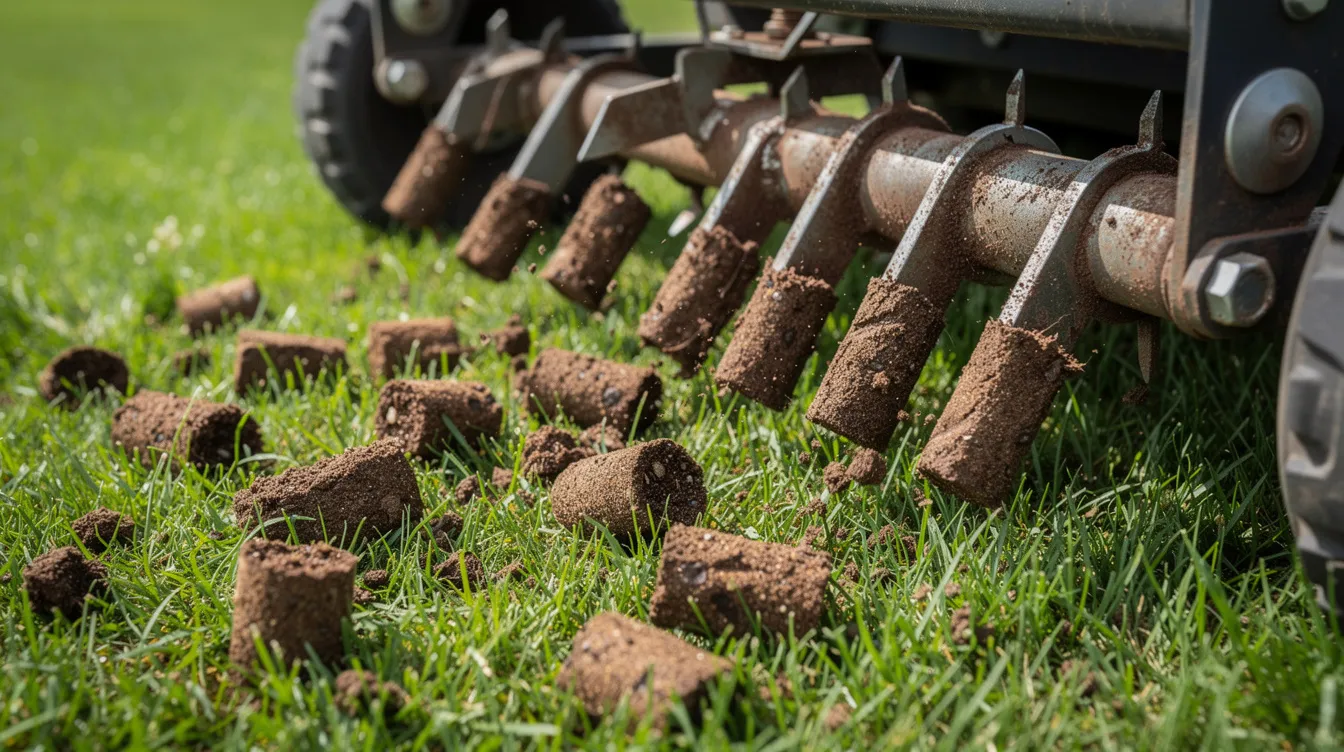
- Aerate lawns in late summer or early fall to improve soil health and water absorption, especially in Syracuse's clay-heavy soil.
- Overseeding helps thicken lawns and repair bare spots - schedule it for early fall alongside aeration, then adjust mowing frequency briefly to protect new grass seed.
- Plan fertilizer applications around active growth periods in spring and early fall. Avoid mowing immediately before heavy applications if the grass is already stressed.
- Related services like shrub trimming, gutter cleaning, and bed maintenance keep the whole property looking polished while regular mowing handles the turf. Choosing the right shrubs for your front of house also reduces maintenance around mowing areas.
CGM Property Services can bundle mowing with seasonal clean-ups, edging, landscaping, and landscape maintenance into customized programs that cover everything your property needs through the year - including snow removal when winter arrives.
Weekly vs. Bi-Weekly Lawn Service in Syracuse, NY
Most Syracuse lawns look and perform best with weekly mowing during peak growing seasons and may shift to bi-weekly only during slower periods. Here's how the two options compare.
Advantages of weekly mowing:
- Healthier turf with less stress per cut
- Fewer visible clippings and a consistently beautiful lawn
- Better weed suppression from maintaining dense, even coverage
- Homeowners can save up to 30% with weekly mowing services compared to the cost of recovering from infrequent, damaging cuts
When bi weekly mowing may work:
- Shaded or low-growth lawns that simply don't produce enough height between cuts
- Slower late-summer periods when growth has genuinely slowed
- Secondary properties or rental units with lower appearance demands
Central New York's fast spring growth often makes bi-weekly mowing risky. Going two weeks between cuts during May almost guarantees you'll break the one-third rule, leaving clumps, scalped patches, and stressed grass.
Request a free estimate from CGM Property Services to compare weekly vs. bi-weekly lawn mowing plans for your specific property at an affordable price. Their team can help you find the right schedule based on your grass type, property size, and budget. Get free quotes by reaching out - they do a wonderful job matching services to what your lawn actually needs.
Frequently Asked Questions About Lawn Mowing Frequency in Central New York
Below are answers to common questions Syracuse homeowners ask about mowing timing, techniques, and service options.
How soon can I mow after heavy rain in Syracuse?
- Wait until the soil is firm enough that footprints don't sink deeply and mower tires won't leave ruts. In Syracuse's clay-heavy yards, this can take 1–2 dry days after a big storm.
- Mowing on saturated ground risks tearing grass blades, creating soil compaction, and leaving unsightly ruts across your lawn.
- Raise the mower deck slightly on the first cut after a very rainy stretch, then mow again 3–4 days later to ease back to normal height without scalping. You may receive automated texts or service updates from lawn care companies about schedule shifts - reply stop anytime if you prefer to manage communication preferences. Data rates from your carrier may apply for automated texts.
Is it better to mow my Syracuse lawn in the morning or evening?
- Mow mid- to late-morning once dew has dried, or early evening when temperatures are cooler but there's still enough light.
- Mowing wet grass from early morning dew causes clumping, uneven cuts, and higher disease risk.
- Midday mowing during hot July afternoons stresses cool season grasses common in Central New York and should be avoided. Marketing offers from lawn care companies sometimes include flexible scheduling - ask about timing options when you schedule service.
What if I miss a week of mowing during peak growth?
- Raise the mower height and take off less than usual, then mow again 3–4 days later to work back down gradually without breaking the one-third rule.
- Never try to "catch up" in one very low cut after two rainy Syracuse weeks. This scalps the lawn, exposes soil, and invites weeds and pests.
- Homeowners who travel often should consider a recurring lawn service plan with CGM Property Services to avoid these growth surges. Check more reviews from happy customers to see how consistent service keeps lawns looking great.
How often should I mow new seed or new sod in Central New York?
- For new grass seed, wait until the grass reaches about 3–3.5 inches before the first mow. Use a very sharp blade and make gentle turns to avoid pulling up young plants.
- For new sod, wait 1–2 weeks until roots are anchored - test by gently lifting a corner. Then mow high, taking off very little the first few passes.
- CGM Property Services can set a gentle mowing schedule for new lawns and coordinate with watering and starter fertilizer to help grass grow thicker and fill in faster.
Do I need to bag clippings, or can I leave them on the lawn?
- For regular, frequent mowing, mulched clippings can stay on the lawn to recycle nutrients. They do not cause thatch when clippings are small.
- Bagging is helpful only when grass has gotten too tall or is very wet, producing heavy clumps that would smother the turf underneath.
- CGM Property Services typically mulches clippings as part of standard lawn service but can bag and remove them on request for certain residential or commercial properties. Hands down, this approach keeps lawns healthier while reducing waste.
Ready for a Healthier, Better-Looking Lawn? Schedule Mowing with CGM Property Services
If you're a Syracuse or Central New York homeowner, HOA manager, or commercial property owner tired of guessing when to mow, CGM Property Services is ready to help. Request a free lawn mowing estimate and see why so many CNY properties trust CGM for consistent, high-quality yard care.
Here's what you get with CGM Property Services:
- Transparent pricing with no hidden fees
- Reliable weekly or bi-weekly lawn care services tailored to your property
- Customized maintenance programs that bundle lawn mowing with edging, leaf removal, yard clean-ups, trimming, shrubs, and other landscaping services
- Lawn care experts who serve multiple Central New York communities around Syracuse and build schedules around local weather, grass type, and your property's specific needs
Stop spending weekends behind a mower and start enjoying your outdoor space. Contact CGM Property Services today for a free estimate and let the lawn pros handle the mowing, maintenance, and every seasonal detail in between.