Protecting Trees and Shrubs During Winter Damage
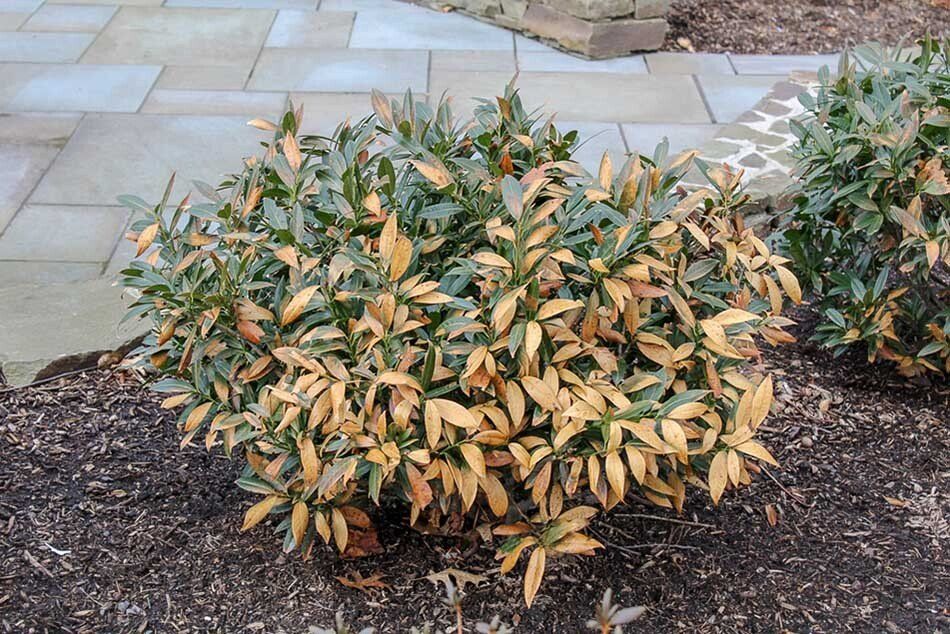
Central New York’s harsh climate is often responsible for the damage to plants. Winter wind and cold temperature can damage bark and injure or kill branches, flower buds, and roots. Snow and ice and break branches and topple entire tree’s. Salt used for deicing streets, parking lots, and sidewalks can kill plants. Winter foot shortages force rodents and deer to feed on bark, twigs, and flower beds sometimes killing trees and shrubs.
Cold damage
Cold temperatures can cause damage in several ways. Injury is more prevalent and more severe when low temperatures occur in early fall or late spring, when there is little or no snow cover during the winter or when low temperatures are of prolonged duration. Pronounced fluctuations in temperature can be extremely detrimental to plants throughout the fall, winter, or spring.
Discoloration of evergreens
Browning or bleaching of evergreen foliage during winter occurs for three reasons:
- Winter sun and wind cause excessive foliage water loss while the roots are in frozen soil and unable to replace lost water. This can result in browning of the plant.
- During bright, cold winter days, chlorophyll in the foliage is destroyed and is not resynthesized when temperatures are above 28. This results in bleaching of the foliage.
- Cold temperatures early in the fall before plants have hardened off completely or late in the spring after new growth has occurred can result in injury of this non-acclimated tissue.
Dieback
Deciduous trees and shrubs can incur shoot dieback and bud death during the winter. Flower buds are more susceptible to injury than vegetative buds. A good example of this is forsythia, where plant stems and leaf buds are hardy, but flower buds are very susceptible to cold-temperature injury.
Little can be done to protect trees and shrubs from winter dieback. Plants that are marginally hardy should be planted in sheltered locations (microclimates). Plants in a vigorous growing condition late in the fall are most likely to suffer winter dieback, so avoid late summer pruning, fertilizing, and overwatering. Fertilize in the spring on sandy soil or in the fall on heavy soil after the leaves have dropped.
Root Injury
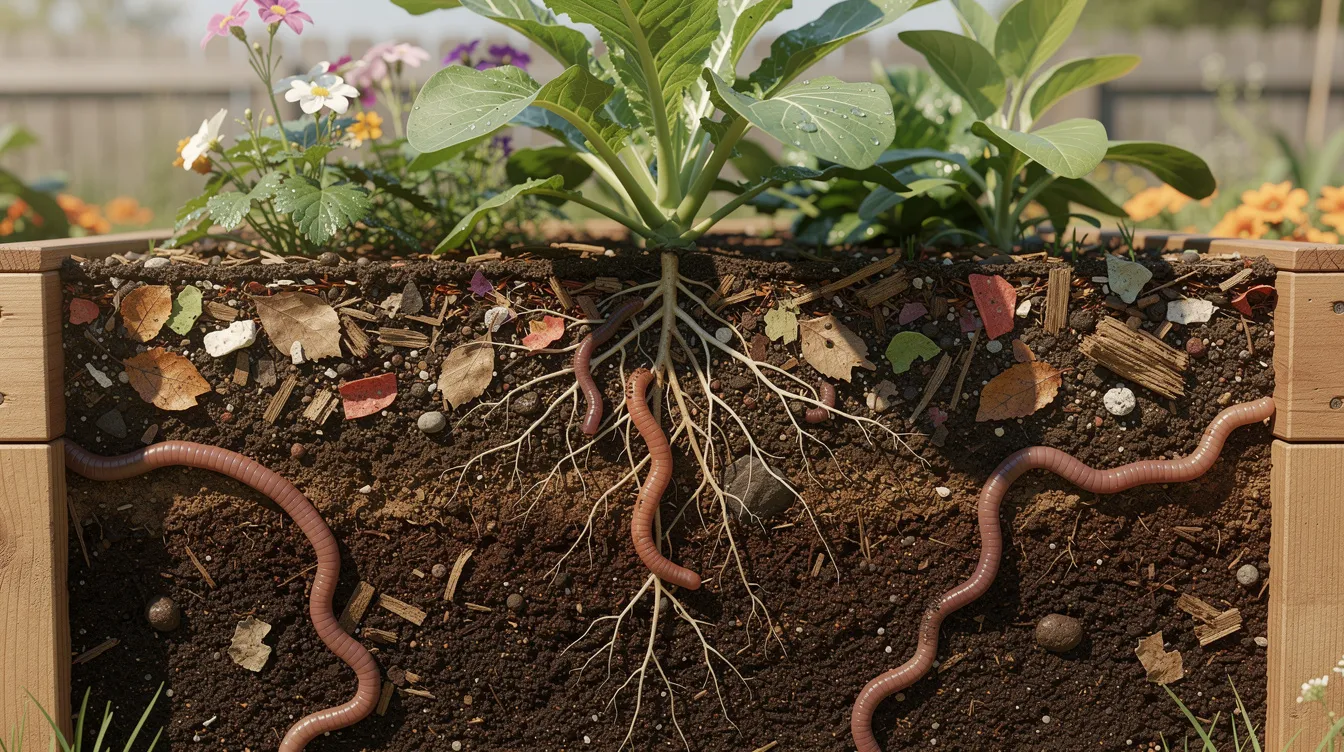
Roots do not become dormant in the winter as quickly as stems, branches and buds, and roots are less hardy than stems. Roots of most trees and shrubs that grow in Central New York are killed at temperatures at or below 0 to +10°F. These plants survive in CNY because soil temperatures normally are much higher than air temperatures and because soil cools down much more slowly than air temperature.
Many factors influence soil temperature. Moist soil holds more heat than dry soil, so frost penetration will be deeper and soil temperatures colder for sandy or dry (drought) soils. Snow cover and mulch act as insulators and keep soil temperatures higher. With newly planted trees, cracks in the planting hole backfill will allow cold air to penetrate into the root zone, reducing fall root growth or killing newly formed roots.
To encourage fall root growth and to reduce root injury, mulch new trees and shrubs with 3 to 6 inches of wood chips or straw. If the fall has been dry, water heavily before the ground freezes to reduce frost penetration. Check new plantings for cracks in the soil and fill them with soil.
Frost heaving
Repeated freezing and thawing of soil in fall or spring causes soil to expand and contract, which can damage roots and heave shrubs and new plantings out of the ground. A 4- to 6-inch layer of mulch will prevent heaving by maintaining more constant soil temperatures.
Snow and ice damage
Heavy snow and ice storms cause damage by bending and breaking branches. Multiple leader, upright evergreens, such as arborvitae and juniper, and multiple leader or clump trees, such as birch, are most subject to snow and ice damage. Relatively small trees can be wrapped together or the leaders tied with strips of carpet, strong cloth or nylon stockings two-thirds of the way above the weak crotches. These wrappings must be removed in spring to prevent girdling, and to allow free movement of the stem. Proper pruning, to eliminate multiple leaders and weak branch attachments, will reduce snow and ice damage. For trees with large wide-spreading leaders or large multi-stemmed trees, the main branches should be cabled together by a professional arborist.
Salt damage
Salt used for deicing walks and roads in winter can cause or aggravate winter injury and dieback. Salt runoff can injure roots and be absorbed by the plant, ultimately damaging the foliage. Salt spray from passing autos can also cause severe foliar or stem injury.
To prevent salt damage, do not plant trees and shrubs in highly salted areas. Avoid areas where salty runoff collects or where salt spray is prevalent, or use salt-tolerant species in these areas. Burlap barriers may provide protection to some plants from salt spray.
Animal damage
Mice, rabbits (rodents), and deer can all cause severe damage to plants in the winter. These animals feed on the tender twigs, bark, and foliage of landscape plants during the winter. They can girdle trees and shrubs and eat shrubs to the ground line. Deer can cause significant injury and breakage by rubbing their antlers on trees during the fall.
Trees can be protected from rodent damage by placing a cylinder of ¼-inch mesh hardware cloth around the trunk. The cylinder should extend 2 to 3 inches below the ground line for mice and 18 to 24 inches above the anticipated snow line for rabbit protection.
Deer feed on and damage terminal and side branches of small trees and shrubs. Repellents containing thiram provide some control if feeding pressure is not extremely heavy. Plants can be sprayed or painted with the repellent; however, the most effective procedure is to hang heavy rags near the plants to be protected that have been dipped in concentrated repellant. Repeated plant applications or dipping of rags is necessary. Deer can also be successfully excluded with fencing. To be effective, fences must be high and constructed properly. If deer are starving, there is little that will prevent feeding. Providing more palatable forage may help, but it may also attract more deer.
CGM Property Services has been serving customers in the greater Syracuse area for more than 19 years, including grounds maintenance for commercial properties and homes. We provide dependable service at an affordable price with our special customer satisfaction guarantee.
Call us now for FREE quote or
send us a request.