Lawn Aeration: How to Relieve Compacted Soil and Grow a Thicker, Healthier Lawn in Central New York
Key Takeaways
- Lawn aeration relieves compacted soil so air, water, and nutrients reach grass roots, producing thicker, greener turf.
- In Central New York, core aeration works best in early fall (September through mid-October) or late spring (around Memorial Day).
- Plug or core aeration outperforms spike aerators on dense clay soils and high-traffic yards because it removes soil rather than compressing it.
- CGM Property Services offers professional core aeration, overseeding, and seasonal lawn care programs for CNY homeowners, HOAs, and businesses.
What is lawn aeration exactly?
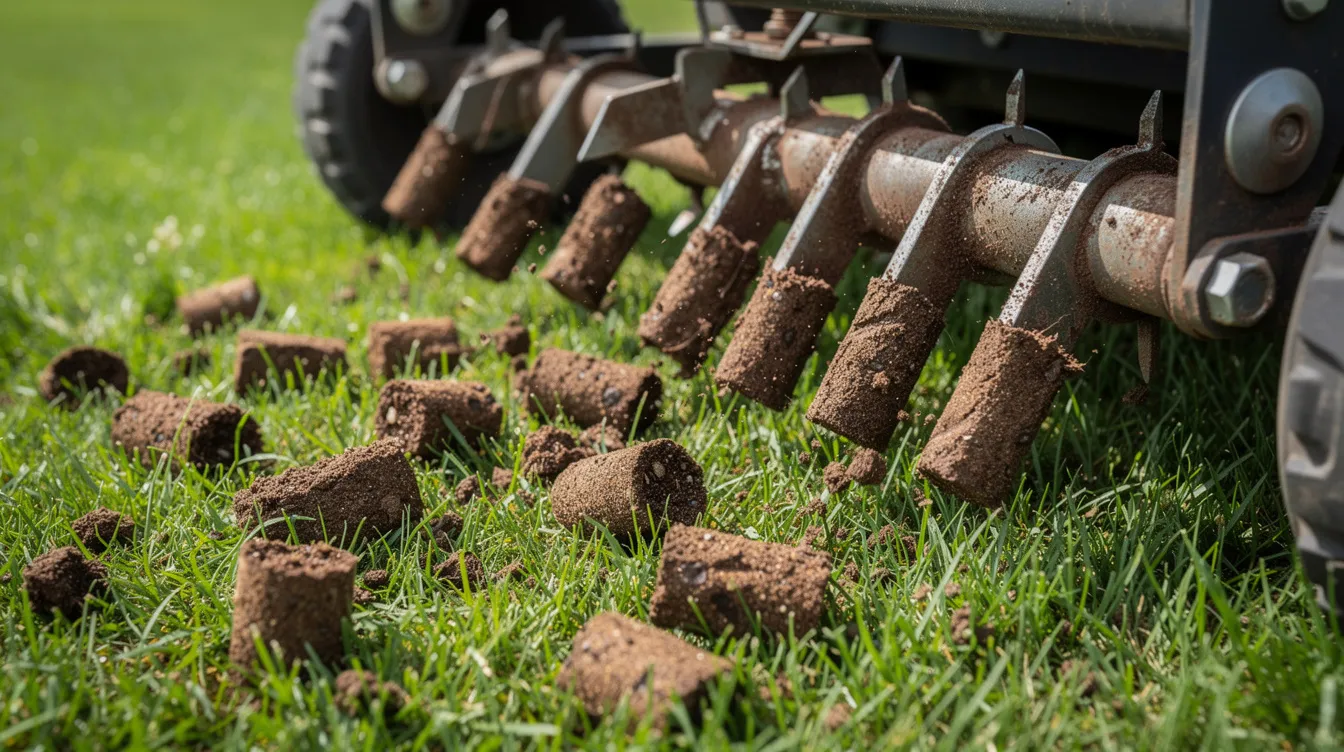
Lawn aeration is the process of pulling small cores or plugs from turf using a lawn core aerator or plug aerator to open up the ground beneath your grass. The goal is to break through compaction so the soil can breathe again.
- Core aerators remove soil plugs typically 2 to 3 inches deep and about 0.5 to 0.75 inches wide, spaced every few inches across the soil surface.
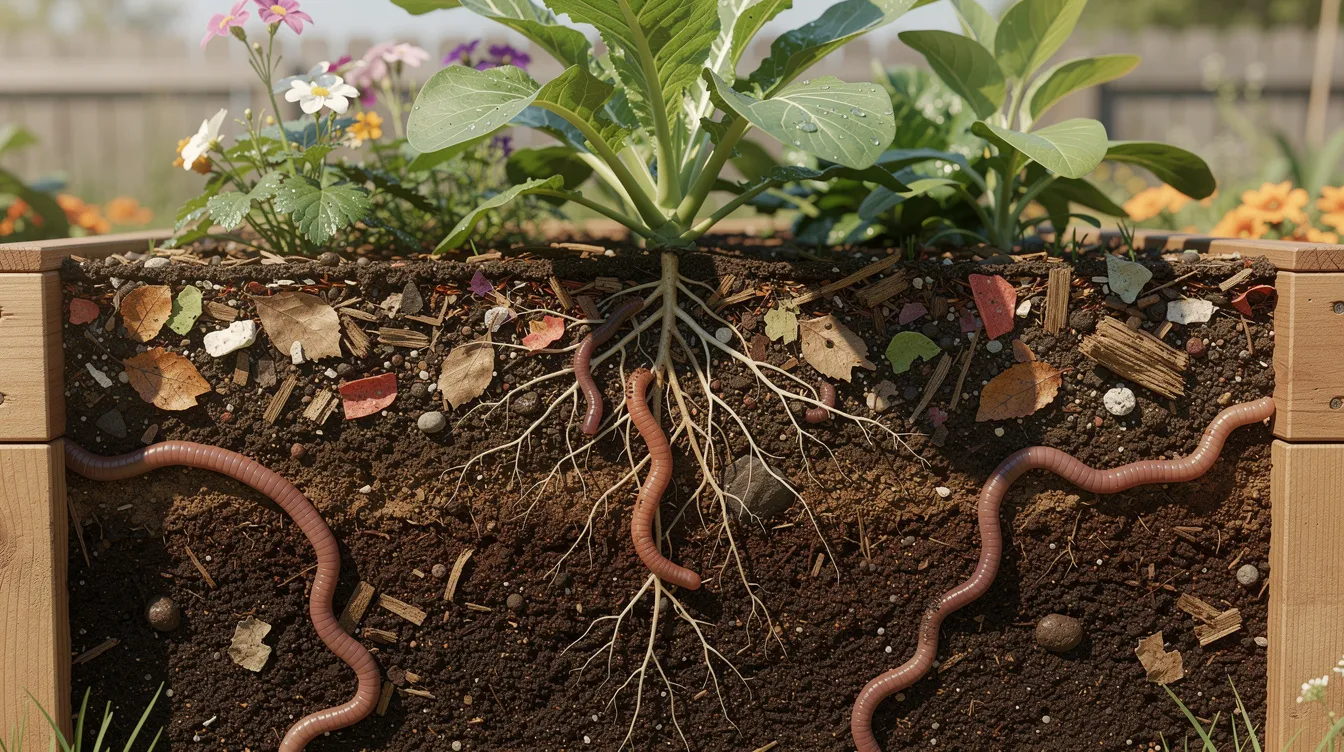
- Aerating your lawn creates holes for air, water, and nutrients to move past the surface and into the root zone, improving root growth and soil structure.
- The visible soil plugs left on top after core aeration slowly break down in one to two weeks, returning organic matter back into the lawn.
- Spike aeration, by contrast, simply pokes small holes by pushing soil sideways without removing anything. The rest of this article explains why that distinction matters for CNY clay soils.
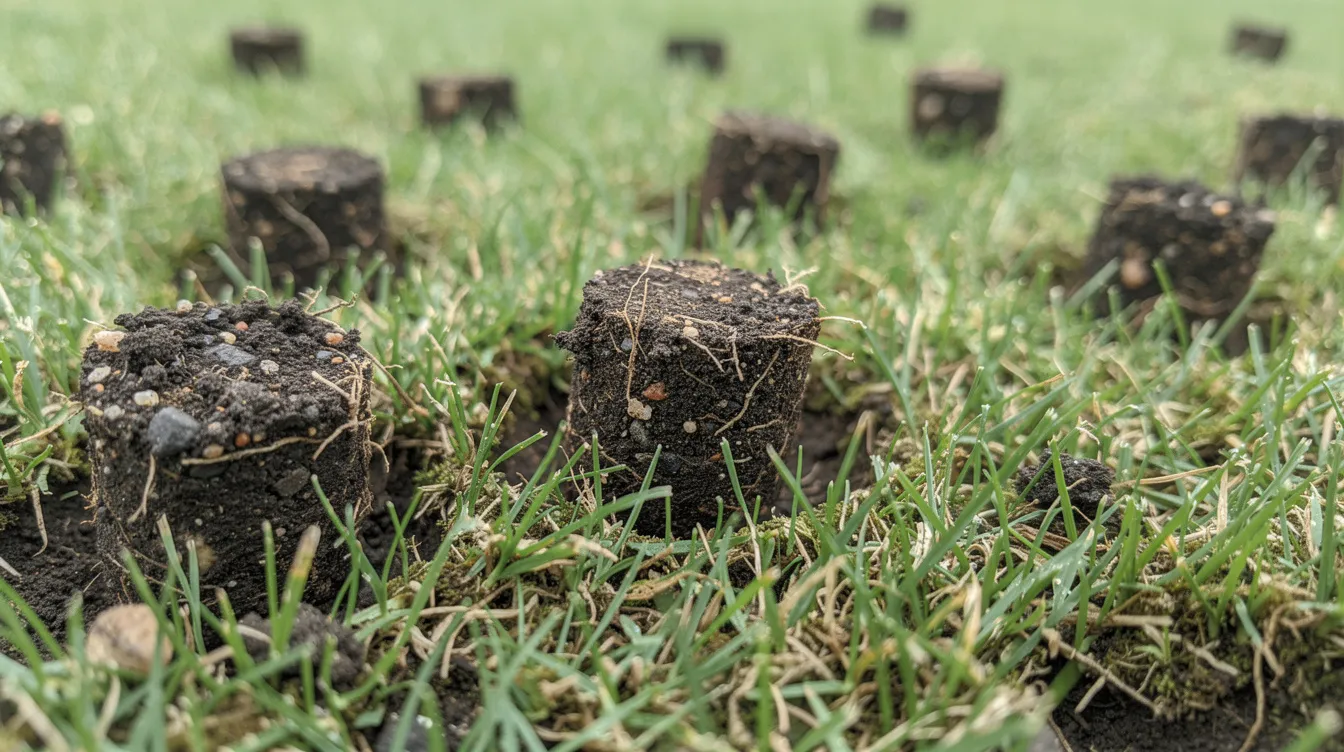
Why lawns need aeration (thatch buildup and compacted soil)
Compaction and thatch are the two forces that quietly starve your turf. Here is how each develops and what to watch for.
- Compacted soil is ground that has been pressed tightly together by foot traffic, kids playing, pets, lawn equipment, or naturally heavy Central New York clay. Many CNY soils (such as the Lockport series) contain 40 to 50 percent clay in the top few inches, making compaction almost inevitable. Compacted soil as little as 1/4 inch thick affects grass health by squeezing out pore space, blocking oxygen, moisture, and fertilizer from penetrating down to grass roots.
- Thatch buildup is a spongy, brown layer of living and dead stems and roots between the green blades and the soil surface. A thin thatch layer under about 0.5 inch is normal, but more than 0.5 to 1 inch acts like a barrier, trapping water on top and starving roots below. Aeration helps prevent thatch buildup over 1/2 inch thick by giving soil microbes access to decompose organic material naturally.
- Practical signs you might see: water puddling or running off instead of soaking in, thin or bare patches, shallow roots, and browning in summer heat. Try pushing a screwdriver into the yard; if it resists past a couple of inches, compaction is likely high.
Aeration improves conditions for new grass growth by breaking that cycle, allowing water, air, and nutrients to flow back into the root zone.
When to aerate your lawn in Central New York
Timing determines whether aeration helps or harms your turf. Always aerate during an active growing season so grass can recover and fill in the holes quickly.
- For cool-season grasses common in CNY (Kentucky bluegrass, perennial ryegrass, tall fescue), the best window is early fall, roughly early September through mid-October. Fall is the best time to aerate most lawns because soil is still warm, air is cooling, and weed pressure drops.
- Aerate cool-season grass in early spring or fall. Late spring, around mid-May to Memorial Day, is a good secondary option for lawns that missed fall or need extra help after winter damage.
- Warm-season grasses are best aerated in late spring to early summer, when those species are in peak growth. CNY lawns rarely contain warm-season grasses, but the principle holds: aerate warm-season grass in late spring or early summer.
- Aerate lawns every 1 to 3 years depending on soil compaction. Yearly core aeration is recommended for heavy clay soil, high-traffic yards, and commercial or HOA common areas. Heavy clay soils or lawns with high traffic may require aeration twice a year. Most lawns benefit from annual aeration, especially during peak growth seasons. Aeration is recommended at least once a year for CNY properties with dense clay.
- Water the lawn the day before or schedule after a soaking rain so the soil is moist but not muddy, making it easier for tines to pull deeper plugs.
Types of aerators: core aeration vs. spike aeration and more
- A core aerator (also called a plug aerator) is a machine with hollow tines that remove actual cylinders of soil, relieving compaction and opening lasting channels. Core aerators remove plugs of soil for better aeration. Research from the University of Nebraska confirms core aeration is the most effective method for improving water and air movement in compacted ground.
- Spike aerators use solid spikes to punch holes by pushing soil sideways without removing plugs. Spike aerators push soil sideways without removing it, which can make compaction worse in heavy clay by compressing soil around each spike.
- Slice aerators use blades to cut narrow slits into the soil. They cause less surface disruption but do not remove material.
- Liquid aerators spray solutions to break down thatch over time. Research shows these products are less effective than mechanical methods for dense clay.
- Aerating shoes allow manual aeration by walking on the lawn, but they function like spike aerators and lack the depth and coverage of a machine.
CGM Property Services uses commercial-grade core aeration equipment designed to pull consistent, deep cores across residential lawns and larger commercial or HOA properties.
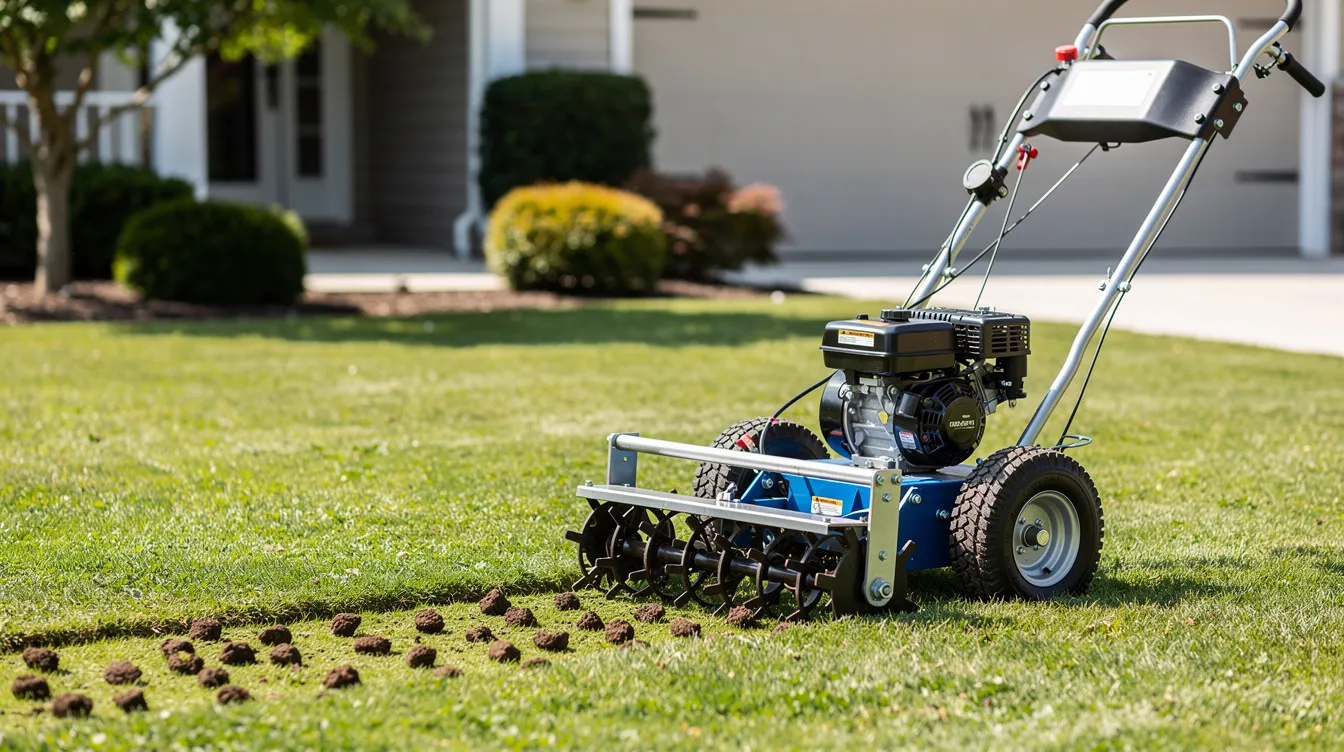
How to aerate your lawn step-by-step
Proper preparation and technique turn aeration from a chore into a lawn-changing process.
Start with mowing the lawn slightly shorter than normal, but do not scalp it. Mark sprinkler heads, invisible fences, and shallow irrigation lines before the machine touches the ground.
Watering the lawn before aeration helps the soil to be moist enough for penetration. If there has been no rain, water thoroughly 24 hours ahead. Aerate when soil is moist for best results; dry soil yields shallow, crumbling cores, and saturated soil collapses around the tines.
Operate the core aerator like a mower: move in straight, overlapping passes, then make a second set at a slight angle for better coverage. Give extra passes over high-traffic zones where kids play, paths to sheds, mailboxes, and along driveways where compaction is usually worst.
Leave the pulled soil plugs on the lawn surface. Over the next week or two, rain and regular mowing will break them apart and help top-dress the turf naturally. Do not rake them up.
For large properties, steep slopes, or very compacted clay, a professional lawn service like CGM Property Services handles the job faster and with deeper, more consistent results than rental equipment.
Post-aeration care: watering, overseeding, and fertilizer
What happens after core aeration often determines how much benefit the lawn receives.
The open holes create seed-to-soil contact that is hard to replicate any other way. Aeration creates openings for seeds to establish roots, so this is the perfect time to overseed thin or patchy CNY lawns with region-appropriate cool-season blends such as Kentucky bluegrass, tall fescue, and perennial ryegrass. Overseeding is recommended immediately after aeration. Overseeding after aeration helps fill in bare spots and thicken the canopy, because a thick lawn is the best defense against weeds.
Water lightly but frequently for the first one to two weeks to keep the top inch of soil consistently moist for germination. Applying a balanced starter fertilizer right after aerating helps nutrients move quickly into the root zone through the new channels. Aeration improves nutrient uptake by allowing fertilizers to reach the root zone more effectively.
Keep foot traffic, heavy equipment, and pet wear off the yard for several days, especially if new seed has been applied. Soil plugs should not be raked; they crumble and help reduce thatch and improve soil layering over time.
For commercial, HOA, and apartment properties, schedule follow-up mowing and seasonal clean-up with CGM Property Services to keep turf looking tidy as plugs break down.
DIY aeration vs. hiring CGM Property Services
Rental core aerators are available at lawn and garden stores and equipment rental centers, typically for $60 to $100 per day. They are heavy, awkward to load, and difficult to maneuver on slopes and tight corners. Homeowners frequently end up with uneven coverage, shallow cores in compacted soil, missed high-traffic areas, and accidental damage to sprinkler heads or invisible fence lines.
CGM Property Services uses commercial-grade equipment calibrated to pull plugs 3 or more inches deep even in compacted CNY clay. Professional core aeration for a standard 5,000 to 10,000 square foot residential lawn in Upstate NY typically runs $108 to $162. CGM can bundle aeration with overseeding, fertilization, edging, fall clean-up, and regular lawn mowing to maximize results and simplify scheduling.
The bottom line: transparent pricing, free estimates, reliable scheduling, and a long-term healthy lawn plan built for Central New York's clay soil and freeze-thaw cycles.
Frequently Asked Questions About Lawn Aeration
How often should I aerate a lawn with heavy clay soil in Central New York?
Most CNY clay lawns benefit from core aeration once per year, ideally in early fall when cool-season grass growth peaks. High-traffic areas, sports fields, or play yards with severe compaction sometimes need two treatments per year, one in early spring and one in fall. If your soil feels soft and a probe slides in easily past 4 inches, you can stretch to every two or three years.
Is it okay to aerate and then mow the same week?
Yes. Wait a few days for the soil plugs to dry slightly, then mow at your normal schedule. If you overseeded, raise the mower height by about half an inch to avoid scalping new seedlings. The mower blades will break apart remaining plugs and spread the material across the surface, which helps the lawn recover faster.
Does lawn aeration help with drainage and standing water?
Core aeration improves water infiltration and reduces minor puddling by opening channels that allow water to penetrate below the surface instead of running off. Persistent standing water in very low spots, however, usually requires grading, soil amendment, or a dedicated drainage solution beyond standard aeration.
Should I aerate if my lawn already looks thick and healthy?
Even a healthy lawn develops compacted soil over time from foot traffic, equipment, and freeze-thaw cycles. Periodic core aeration every two to three years maintains deep roots and resilience before hot CNY summers and cold winters. Prevention costs less than recovery, and greener, deeper-rooted turf handles drought stress and early summer heat far better.
Can lawn aeration damage my irrigation or invisible dog fence?
Aeration can hit shallow lines if they are not clearly marked. Before any aeration appointment, flag sprinkler heads and provide layout information for buried fence wires or garden store-installed irrigation. CGM Property Services always asks about underground utilities and works carefully around marked areas to avoid damage.
Ready for a Thicker, Greener Lawn? Schedule Core Aeration with CGM Property Services
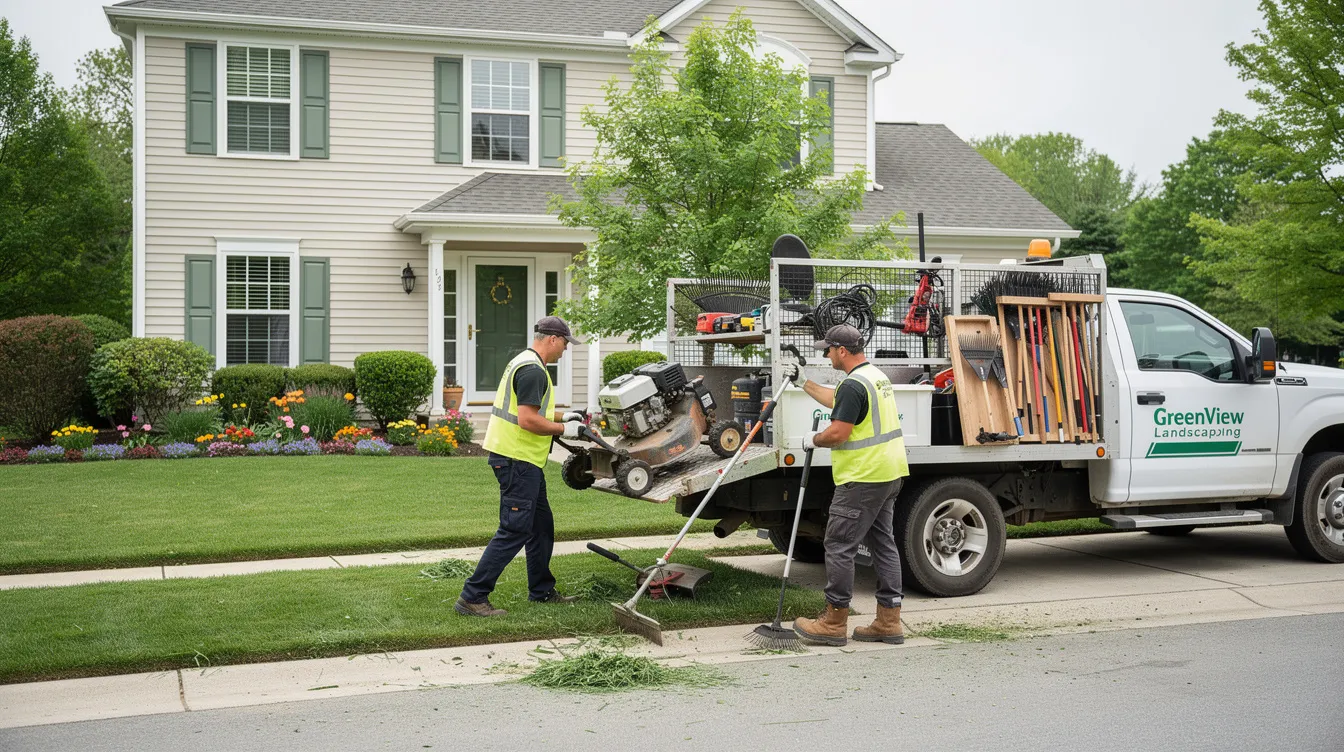
CGM Property Services provides professional core aeration, overseeding, lawn mowing, edging, and seasonal clean-ups for residential homes, commercial properties, HOAs, and apartment communities throughout Central New York. No hauling heavy rental machines, no guessing on timing, and no one-time fixes that fade by next season. Every client gets a customized maintenance plan built around long-term lawn health.
Request a free estimate with transparent pricing and flexible scheduling around busy CNY seasons like spring clean-up and fall leaf removal. Call, fill out the website form, or email to get started.